
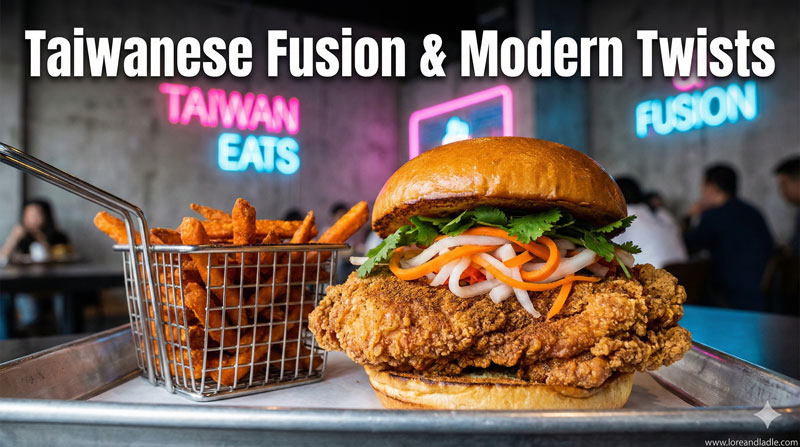
Welcome to Best Taiwanese Fusion And Modern Twists Favorites for New Home Cooks in the U.S.
This article introduces a vibrant collection that blends Taiwanese flavors with inventive twists. The goal is to celebrate flavor, craft, and hospitality. The dishes invite new Home Cooks in the United States to explore a living culinary language. Each bite reflects care, curiosity, and a respect for shared meals.
Cultural Value: What Taiwanese Fusion Brings to the Table
Taiwanese fusion is a bridge between everyday meals and global flavors. It honors traditional techniques while welcoming new ingredients and ideas. The approach centers on balance: sweet, salty, sour, umami, and a gentle bitterness from aromatics. These tastes come together in ways that feel comforting yet exciting. The fusion concept is approachable. It invites cooks to tell a story with ingredients already in their pantry or local markets. Hospitality shines in every dish, as meals become moments to connect with family and friends around the table. In this collection, cultural value rests in harmony: respect for Taiwan’s favorite flavors and curiosity about new culinary textures. The result is a kitchen that feels both familiar and fresh.
Culinary Significance: Techniques, Flavors, and Modern Twists
The dishes fuse core Taiwanese techniques with modern twists. You will see braising, quick wok tosses, and gentle steaming paired with bold sauces or bright acidity. Common tools include a wok, a skillet, or a small pot. Core ingredients feature soy sauce, rice wine, sesame oil, garlic, ginger, scallions, and citrus zest. Five-spice powder and fermented elements add depth. Modern twists might involve plant-based proteins, citrus-glazed toppings, or silky sesame blends. The significance lies in technique and texture: a tender braise that carries aromatics; a glossy glaze that clings to noodles; crisp-tlicked vegetables that brighten a dish. These choices honor time-tested flavors while inviting new textures and seasonings. In short, the collection teaches how traditional base flavors can evolve without losing their heart.
Why This Collection Resonates with New Home Cooks in the U.S.
The dishes are designed for home kitchens with accessible ingredients. They adapt to busy weeknights and relaxed weekends alike. Cooks gain confidence through simple steps that emphasize flavor building rather than complex technique. The fusion approach encourages experimentation in a safe, friendly way. It invites cooks to use what’s on hand—protein, greens, a splash of citrus, a dash of spice—and still produce authentic Taiwanese flair. This mode of cooking supports cultural curiosity, culinary imagination, and joyful eating. It also provides a gentle path for families to expand their dinner repertoire while honoring the familiar comfort of home meals.
Signature Concepts in the Collection
- Braised proteins with tea and spice: Slow braising with a hint of oolong tea or citrus balance creates a tender, aromatic main. The same method can be used with pork, chicken, or tofu for variety.
- Sesame-soy noodle bowls: Silky noodles tossed in a sesame-soy glaze, brightened with scallions and fresh herbs. A touch of chili or citrus adds a modern kick.
- Crisp vegetables with zippy sauces: Quick-blanched greens or cabbage meet tangy dressings or lightly fermented toppings for brightness and crunch.
- Five-spice reinterpretations: The familiar warmth of five-spice powder finds new life in sauces, glazes, or marinades that pair with everyday ingredients.
- Flavor-forward street-food vibes: Small plates with bold sauces and contrasting textures—soft interiors, crisp exteriors, and lively dips—offer a playful peek into Taiwan’s snack culture.
- Plant-forward twists: Tofu, mushrooms, and legumes take center stage with robust seasonings, ensuring deeply satisfying meals that feel fresh and modern.
- Citrus and aromatics balance: Fresh citrus zest or juice brightens richer elements, keeping dishes vibrant and inviting.
Getting Started: Pantry, Tools, and Quick Tips
- Pantry essentials: soy sauce, rice vinegar, sesame oil, neutral oil, garlic, fresh ginger, scallions, dried chilies, and a little sugar or honey. Five-spice powder adds warmth; fermented elements like a mild miso or a gentle pickled vegetable can be optional upgrades.
- Tools to keep handy: a wok or large skillet for quick tossing, a medium pot for braises, and a sharp knife for speed and precision.
- Quick-start ideas: start with a noodle dish or a simple braise, then expand by adding a new vegetable or protein. Keep a citrus element nearby to finish plates with brightness.
- Ingredient substitutions: in the U.S., you can swap locally grown greens, use local mushrooms, or try a different protein while maintaining the core flavor profile. The key is balancing salty, sweet, sour, and umami.
- Cooking rhythm: build flavor in layers. Sauté aromatics first, add your protein, then introduce sauces and vegetables. Finish with a bright drizzle and fresh herbs.
Serving with Sense: Presentation and Guests
Cultural value also lives in how dishes are served. Family meals, shared bowls, and thoughtful plating honor guests and create a sense of welcome. Use color contrasts—green herbs, red chili, white sesame seeds—to Make plates inviting. Pair dishes with simple sides like pickles or crisp vegetables to provide texture variety. A well-framed meal invites conversation, appreciation, and a sense of belonging around the table.
The Beauty of Taiwan’s Culinary Language in Modern Homes
Taiwanese flavors tell stories of comfort, cleverness, and care. This collection highlights how a few dependable techniques can become a canvas for creativity in any kitchen. By blending familiar ingredients with new twists, new home cooks in the U.S. can explore a living cuisine that is both rooted and current. The beauty lies in balance: respectful tradition paired with curious invention, yielding meals that feel timeless and timely at once.
Closing Thoughts: Welcome to a Flavorful Journey
In embracing Best Taiwanese Fusion And Modern Twists Favorites for New Home Cooks in the U.S., you invite a conversation between flavors and customs. You build confidence in your cooking, expand your palate, and honor a vibrant culinary heritage. May your kitchen become a warm place where every dish offers both comfort and wonder, and where every meal celebrates the shared joy of good flavors prepared with care.