
Introduction
Best Taiwanese Restaurant Favorites Ideas for Family Dinners in America invites readers to savor dishes that blend cultural value with culinary craft. These plates travel from busy restaurant kitchens to cozy family tables with ease. They carry stories of careful cooking, shared meals, and the joy of gathering. In this post, we explore how each dish reflects Taiwanese culinary philosophy and why it shines at Home-centered dinners in America. The focus is on flavor, technique, and the warm energy these dishes bring to every table.
Classic favorites that travel well to family dinners in America
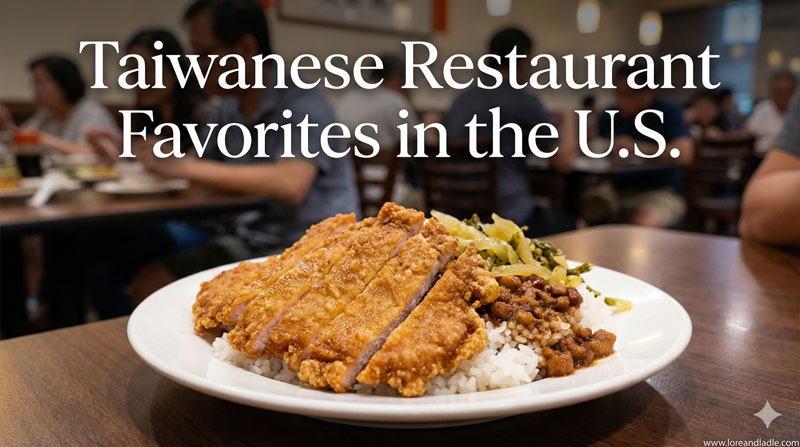
Beef Noodle Soup offers a comforting welcome. A rich, aromatic broth envelopes tender beef and chewy noodles. The scent fills the room and makes everyone eager to share a bowl. Next, Braised Pork over Rice—often called Lu Rou Fan—speaks of patient, slow cooking. Pork belly braised in soy, sugar, and spices becomes deeply savory and slightly sweet. The dish invites spoonfuls of rice to soak up the sauce, creating a satisfying, family-friendly meal.
Oyster Omelette brings a lively texture to the table. Soft eggs pair with crisp starch batter and briny oysters for a contrast that delights the senses. The medley feels bright and friendly, perfect for relaxed dinners. Three Cup Chicken showcases a classic balance of sesame oil, soy, and rice wine. Fresh ginger and garlic lift the aroma, while basil adds a green, fragrant note. This dish feels both homey and festive, ideal for long talks after the last bite.
Gua Bao, the pork belly bun, offers a shareable moment. The pillowy bun, glossy pork, crunchy toppings, and pickles invite tasting at the center of the table. Finally, Taiwanese Fried Chicken—often seasoned with savory spices and a crisp coating—provides a celebratory touch. It pairs well with lighter sides and chilled beverages, making it a hit for gatherings. Together, these dishes form a balanced, approachable lineup for family dinners in America.
The senses that define Taiwanese cooking: aroma, texture, and balance
Aromas play a central role. Garlic, ginger, star anise, and soy waft through the kitchen, telling a story before the first bite. Textures matter too. A good soup remains silky, the meat tender, and the vegetables crisp. In many dishes, a gentle sweetness echoes the warmth of home cooking. This blend of aroma, texture, and balance makes every dish feel welcoming and complete. Clear, bright flavors also help the food sit well with a variety of sides and drinks.
Texture helps these meals stay memorable. The chew of noodles, the softness of braised pork, and the crisp bite of fried items create a playful rhythm at the table. With every bite, eaters sense the craft behind the dish. The careful use of seasoning lets each component shine without overpowering the others. In this way, Taiwanese cooking nourishes both the body and the conversation around the table.
Shared dining at its best: serving, variety, and togetherness
Taiwanese meals often center on sharing. Large bowls and generous platters invite passing and dipping. The act of serving becomes part of the experience, not just the food. This practice translates smoothly to American family dinners, where everyone contributes to the meal’s momentum. The dishes encourage conversation about flavor choices, textures, and memories attached to comfort foods. In short, these favorites support a warm, collaborative dining atmosphere.
Seasonal ingredients and local adaptation
Seasonal produce informs many dishes. In Taiwan and in American kitchens alike, cooks adjust elements like greens, mushrooms, and herbs to reflect what’s fresh. This adaptability keeps dishes vibrant and relevant year-round. Local produce can inspire small, flavorful twists while preserving the core technique. The result is a dining experience that feels both familiar and fresh. By honoring seasonality, these dishes connect modern kitchens with time-honored cooking methods.
Pairings and balance: building a complete meal
To create harmony, pair these dishes with gentle sides and light sauces. A crisp cucumber salad or pickled greens adds brightness and helps balance richer courses. A simple broth or light soup can bridge heartier mains with palate-cleansing acidity. Tea or a chilled beverage of choice completes the table without overpowering the flavors. Thoughtful sequencing—lighter dishes first, then richer ones—keeps the dinner engaging from start to finish.
From restaurant to home: tips for preserving the spirit
Bringing restaurant favorites home is about technique and respect. Start with good braising liquids and steady simmering. Use fresh aromatics and quality cuts of meat where possible. Maintain careful knife work for even texture, especially in stir-fried dishes. Finally, keep the table ambiance warm: soft lighting, a calm soundtrack, and time for sharing stories. When these elements align, home meals feel as special as any restaurant plate.
Cultural value and culinary significance in American settings
These dishes embody a cross-cultural appreciation of flavor. They reveal how a community can celebrate tradition while inviting new friends to the table. The culinary significance lies in mastery of technique—braising, simmering, frying, assembling—paired with a gentle philosophy of balance. In America, these favorites become bridges between kitchens, inviting families to explore Taiwanese ingredients and cooking styles with curiosity and care. The result is meals that honor craft and community, day after day.
Conclusion
Best Taiwanese Restaurant Favorites Ideas for Family Dinners in America offers more than a menu. It presents a way to connect through flavor, texture, and shared rituals. Each dish stands as a testament to patience and hospitality, qualities that enrich any family dinner. Whether guests are new to Taiwanese cuisine or long-time fans, these favorites invite warmth, conversation, and delight. Embrace the journey from kitchen to table, and let the beauty of Taiwanese cooking illuminate every family gathering.