
Introduction
Best Taiwanese Restaurant Favorites Ideas for New Home Cooks in the U.S. invites readers to explore a collection of dishes that capture the heart of Taiwan’s culinary culture. This concept centers on how restaurant favorites translate to home kitchens, preserving flavor, technique, and respect for tradition. The beauty lies in balance, in how simple choices—seasoning, texture, and timing—converge to create dishes that feel both familiar and new. As you read, you’ll sense the warmth of shared meals and the careful craft behind each bite.
The Cultural Heartbeat of Taiwanese Flavors
Taiwanese cuisine honors fresh ingredients, careful simmering, and bright finishes. The dishes often fuse savory depth with light sweetness and a touch of herbal brightness. This harmony reflects a culture that values hospitality, family gatherings, and daily rituals around cooking. When you approach these restaurant favorites at Home, you are practicing a form of storytelling—recounting memories through aroma, color, and texture. The result is an inviting table where guests feel seen and meals feel comforting, yet lively.
Core Techniques and Signature Ingredients
Key techniques include slow braising, precise wok stir-frying, and gentle steaming. These methods extract depth from meat, seafood, and vegetables while keeping textures distinct. Signature ingredients like soy, rice wine, sesame, garlic, green onions, and aromatic herbs bring warmth and a velvety finish. Stock and braising liquids often carry layered flavor from dried mushrooms, star anise, or five-spice, creating a residually fragrant broth. Understanding these elements helps new home cooks reproduce restaurant profiles with confidence and care.
Favorite Dishes and Their Home Kitchen Appeal
- Beef noodle soup: A hearty broth, tender beef, and noodles that invite slow sipping and mindful slurping.
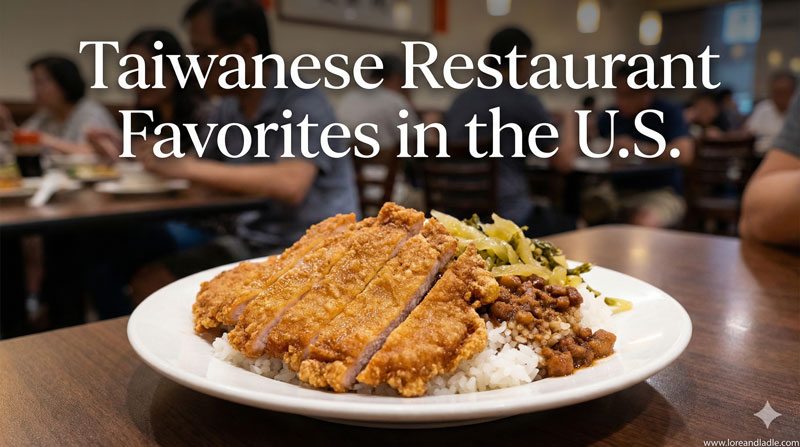
- Braised pork over rice: A comforting, richly seasoned dish with glossy pork and succulent sauce.
- Oyster omelette: A crisp edge with a soft center, finished with a bright sauce that brightens the plate.
- Scallion pancakes or gua bao: Golden, flaky crusts paired with savory fillings offer satisfying, hands-on cooking fun.
- Three-cup chicken: Aromatic, balanced with sesame oil, soy, and fresh herbs for a warm, comforting main.
Each dish showcases technique and ingredient harmony, while inviting home cooks to personalize spice levels and textures.
Bringing Restaurant Charm to Your Home Table
To recreate the restaurant experience at home, focus on three ideas: clarity of flavor, texture contrast, and careful timing. Build a simple mise en place, respect the order of steps, and taste as you go. Small touches—a finishing drizzle of sesame oil, a scatter of chopped scallions, or a squeeze of citrus—lift the dish and echo restaurant finesse. The aim is not perfection but the honest translation of a beloved flavor into a home setting, so meals feel both special and approachable.
Practical Tips for New Home Cooks in the U.S.
- Start with accessible staples: a good soy sauce, rice wine, and fresh aromatics.
- Build a lean pantry of essential Taiwanese flavors and keep a few ready-made components for quick weeknight turns.
- Choose recipes that teach technique first, then allow room for personal adaptation.
- Seek fresh ingredients from reliable markets; fresh greens and mushrooms often elevate dishes.
- Practice timing: simmer braises while you prep garnishes to finish the meal together.
A Path to Shared Meals and Respectful Kitchen Culture
These ideas honor the joy of sharing meals, the craft of seasoning, and the personality of each dish. By inviting friends and family to join, you celebrate the care that goes into Taiwanese restaurant favorites and bring that care to everyday cooking in the United States. The resulting meals become more than sustenance; they become a bridge for taste, memory, and gratitude.
Conclusion
Best Taiwanese Restaurant Favorites Ideas for New Home Cooks in the U.S. offers a respectful, practical doorway into Taiwanese culinary culture. Through thoughtful techniques, balanced flavors, and warm hospitality, you can enjoy the culinary significance of these dishes in your own kitchen. Embrace the journey, savor each bite, and let the table become a place of connection and delight.