
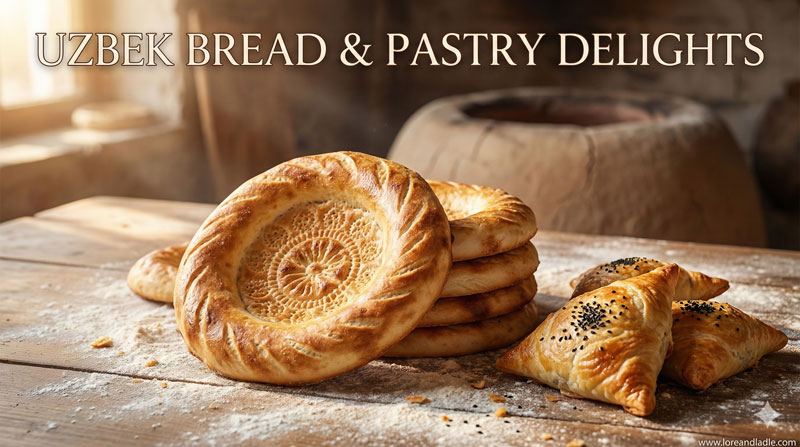
A Taste of Ganfan – Uzbekistani Bread & Pastry Delights Flavor You’ll Love
Overview
A Taste of Ganfan invites us into the heart of Uzbekistani bread and pastry culture. This dish bundles a collection of soft breads, crisp pastries, and fragrant bites into a single, shareable experience. It celebrates the everyday beauty of bread turned into edible art. The flavors are warm and inviting, the textures varied, and the presentation feels crafted for gatherings. The result is a platter that feels both familiar and special, a doorway into a rich kitchen tradition.
Cultural Value: A Pillar of Uzbek Hospitality
In Uzbekistan, bread holds a cherished place at every table. It is more than food; it is a daily ritual of welcome and respect. A Taste of Ganfan embodies this spirit. When the platter appears, guests are invited to sample, share, and reflect together. The act of offering bread to others is a small, meaningful gesture that signals care and community. This dish foregrounds those social values by turning a simple meal into a moment of connection.
The rhythm of the day often centers on meals that bring families and neighbors together. A Taste of Ganfan fits this rhythm perfectly. It provides a focal point for conversation, storytelling, and mutual enjoyment. In this way, the dish serves as a culinary ambassador, quietly revealing how Uzbek households value generosity, patience, and the art of making others feel at Home.
The cultural value extends beyond the kitchen. The shapes, colors, and aromas echo regional influences and centuries of technique passed from baker to baker. Each bite carries layers of memory, from the comfort of a familiar loaf to the excitement of a new pastry bite. The dish acts as a bridge between generations, inviting younger cooks to learn, taste, and participate in a living tradition.
Culinary Significance: Techniques, Textures, and Flavor Profiles
A Taste of Ganfan is a study in balance. The bread elements offer a sturdy, comforting crust with a tender crumb, while the pastries provide flaky layers and delicate sweetness. The variety within the dish highlights the versatility of Uzbek doughs and fillings. The technique behind these breads — careful kneading, patient fermentation, and precise shaping — yields results that feel handcrafted and thoughtful.
The flavor palette centers on pure, approachable notes. Warm bread flavors mingle with subtle dairy notes from cultured butter or milk. Nutty sesame seeds, peppery nigella seeds, and a touch of salt create gentle contrasts that wake the palate without overpowering the base. Dried fruits or sweet fillings, when present, introduce a soft, complementing sweetness that underscores the balance between savory and sweet.
Texture plays a starring role. The crust crackles just enough to release aroma, while the interior stays soft and moist. Pastry layers create a delicate bite that melts in the mouth. This interplay of textures makes the dish exciting with every mouthful and deeply satisfying over the course of tasting.
The Craft of Bread and Pastry: Tradition in Action
The making of Ganfan channels traditional bakehouse methods. Doughs are built from simple ingredients — flour, water, yeast, salt — yet the care in mixing and resting turns basic components into something memorable. Fermentation brings flavor and airiness; careful shaping forms the round, inviting loaves or the slender pastry forms that accompany them.
In many Uzbek kitchens, dough is rested in stages. Each rest allows flavors to mature and textures to refine. Bakers often work by feel, judging readiness by touch and the look of the dough rather than by timer alone. This apprenticeship passes down through families, with tips about temperature, humidity, and timing shared across generations. The result is consistency rooted in tradition and a sense of belonging in the craft.
The baking environment also matters. A traditional tandyr or clay oven delivers a distinctive heat that creates a glossy crust and a soft interior. Even without a wood-fired oven, skilled bakers mimic this effect with hot surfaces and careful timing. The oven becomes an instrument that shapes the final character of the bread and pastry in Ganfan.
Shared Moments: Food, Family, and Festivals
A Taste of Ganfan is designed for sharing. Placed at the center of the table, the platter invites a rhythm of passing, tasting, and talking. This communal style echoes Uzbek hospitality, where meals become occasions for storytelling and bonding. People gather to celebrate daily life and special moments alike, with bread and pastry serving as generous hosts.
During festivals and family gatherings, Ganfan can feature seasonal fillings or regional twists. A simple change in spice, glaze, or seed topping can reflect local harvests, weather, and family preferences. The dish adapts to its surroundings while preserving its core meaning: nourishment shared with care.
This sense of togetherness also supports a calmer, slower pace at the table. Guests have time to savor each bite, discuss textures, and appreciate skilled handwork. The practice of sharing transforms eating into an experience of fellowship.
Plating, Pairings, and Modern Interpretations
Today, cooks reimagine A Taste of Ganfan for contemporary tables while staying true to its roots. A clean, central platter allows the variety to shine. Small bowls with yogurt, herb-infused oils, or mild dips can accompany the bread and pastries, enhancing flavors without overshadowing them.
Pairing ideas emphasize balance. Tea or light, unsweetened beverages harmonize with the pastry’s milder sweetness. Fresh herbs or citrus zest can brighten certain components, while a touch of butter or clarified butter adds richness where desired. The aim is to enhance the dish’s natural flavors and textures, not to disguise them.
Modern interpretations may introduce playful shapes or colors while keeping the soul of the dish intact. Whether plated simply or presented as a vibrant spread, A Taste of Ganfan still communicates care, craft, and a sense of place. The result is a flexible, welcoming dish that travels well from home kitchens to convivial gatherings.
Preserving a Living Tradition
The beauty of Ganfan lies in its ability to stay relevant while honoring tradition. Families adapt the recipe to their pantry, climate, and preferences, yet the core idea remains clear: bread as a daily gift, pastries as a shared delight. By keeping techniques alive and passing on tips, cooks contribute to a living culinary heritage.
Educators and food lovers alike can celebrate this dish by observing how each component reflects a region’s grain, dairy, and spice choices. Small details — the gleam of a sesame seed, the lift of a well-kneaded dough, the ring of a baked edge — tell stories about farming, storage, and patience. In this way, A Taste of Ganfan becomes more than a recipe; it becomes a record of taste, texture, and togetherness.
Final Thoughts
A Taste of Ganfan – Uzbekistani Bread & Pastry Delights Flavor You’ll Love invites us to slow down and listen to the kitchen’s quiet wisdom. It celebrates the everyday ritual of bread, a staple that nourishes body and spirit. It honors technique and tradition, while inviting modern cooks to refine and reinterpret with care. Most of all, it offers a warm invitation: come, share, and enjoy a slice of Uzbek kitchen culture.