
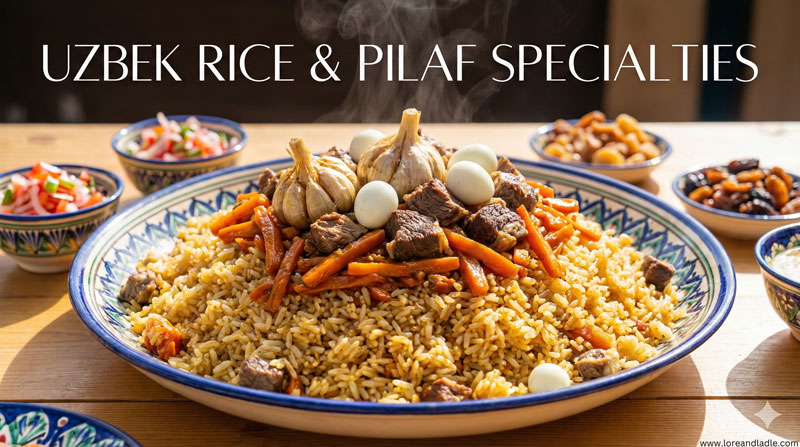
A Taste of Plov – Uzbekistani Rice & Pilaf Specialties Flavor You’ll Love
A taste of plov reveals more than a dish. It reveals a landscape of hospitality, care, and shared moments. This Uzbek staple carries meaning that goes beyond taste. It marks gatherings, rites of passage, and daily life. The aroma alone can set a table with warmth and welcome. In Uzbek kitchens, plov is more than nourishment; it Is a language of togetherness.
The Hearth of Uzbek Plov: Core Ingredients and Technique
At its heart, plov is a rice pilaf cooked in a wide, shallow pan. The technique invites patience and balance. The sequence matters. First, onions soften in hot oil. Next, shredded carrots join, bringing color and sweetness. Then meat appears—lamb or beef is common—adding depth. Finally, rice, water, and spices complete the dish. This order builds layers of flavor that linger on the palate.
Key ingredients carry cultural resonance. Long-grain rice provides a light, fluffy texture. Carrots lend color and a gentle sweetness that echoes harvesttime. Meat offers heartiness and comfort, often sourced from trusted local producers. Aromatics, cumin and coriander, awaken the pan and invite a conversation between smoke, steam, and spice. Each element is simple, yet together they create a profile that feels generous and balanced.
The cooking vessel itself matters. A wide kazan or large skillet allows steam to circulate. The design helps cook evenly, ensuring the grains separate rather than clump. The simmer becomes a rhythm—gentle, attentive, patient. When the steam rises in a quiet hum, the kitchen feels alive with tradition.
The Culture of Hospitality: Sharing and Warmth
Plov shines when shared. It appears at moments of joy, moments of gathering, and moments when family and friends come together. A well-prepared pot becomes a focal point for conversation, storytelling, and gratitude. Serving is an act of welcome. The first taste often goes to the eldest guest, then to others, signaling respect and care.
Hospitality in Uzbek culture centers on abundance without pretension. A generous pot of plov says, “You are welcome here.” People gather around the dish, watch the grains separate, and share the aroma of cumin and roasting onions. This ritual of sharing strengthens bonds and creates a sense of belonging. In many homes, plov is the anchor of a table long prepared with bread, tea, and fresh herbs.
Regional Voices: Variations Across Uzbekistan
Uzbekistan’s regions bring subtle differences to plov. In one valley, cooks may emphasize carrot ribbons for a sweeter note. In another, meat portions lean toward a heartier bite, with longer simmering to deepen the savor. Yet the core idea remains the same: a dish built on patience, balance, and communal joy.
Some cooks favor a touch of fragrant spice beyond cumin and coriander, while others keep the profile clean and focused on the meat and rice. The size of the pan, the grain of the rice, and the pace of the simmer all shift with regional hands and scents. These variations celebrate local pride while preserving a shared heritage.
Rituals and Serving Etiquette: A Table of Respect
Plov is most powerful when it travels from pot to plate with care. It is common to present the dish in a large, shallow platter so guests can see the grains gleaming and separate. Bread accompanies the meal, inviting everyone to dip and share. Tea often follows, offering a gentle close to the meal.
Etiquette around plov emphasizes attention to guests and to the cooks. Guests may acknowledge the cook with thanks and a compliment about balance or aroma. The host, in turn, speaks softly of the effort involved, inviting others to enjoy. This cycle of giving and receiving reinforces social harmony and mutual respect.
Plov in Festivals and Daily Life: A Living Tradition
Plov appears in daily life as a reliable centerpiece for family dinners. It also stands at festivals, weddings, and milestone moments. In markets, you may hear the sizzle of onions and the steady swirl of a large pan as cooks prepare bowls for neighbors and visitors. Such scenes capture how a single dish can bridge ordinary days and special occasions.
The cultural value of plov lies in its practicality and poetry. It feeds many with careful economy, and it nourishes conversations that weave communities closer. The shared pot becomes a symbol of collective effort, patience, and gratitude for good food and good company.
A Note on Flavor, Pairings, and Everyday Joy
A simple plate of plov invites reflections on balance: grain, fat, meat, and vegetables all in harmony. Tea accompanies the meal, offering a gentle cadence that relaxes the palate. Fresh herbs and pickles sometimes appear on the side, adding brightness and contrast. The experience is comforting, yet dynamic, inviting you to notice how aroma and texture evolve with each bite.
For Home Cooks, the delight is in paying attention to timing and warmth. Allow the onions to soften fully. Let the carrots release their sweetness without burning. Respect the grain’s need for space to breathe. In this mindful approach, plov becomes a personal small ceremony of care.
Conclusion: A Dish that Welcomes and Remembers
A Taste of Plov embodies the beauty of Uzbek culinary culture. It is more than a recipe; it is a practice of hospitality, a record of regional personality, and a daily invitation to gather. With each serving, plov reminds us how food can shape memory, create warmth, and celebrate togetherness. It is a dish that welcomes all guests to share in its fragrant heart and enduring charm.