
Introduction
Tempeh Satay and Other Restaurant-style Indonesian Dishes Loved in America invites readers to savor a vibrant corner of Indonesian flavors. This post highlights the cultural value and culinary significance of these dishes. It celebrates craft in the kitchen, harmony in flavors, and the way a plate can tell a story of tradition meeting modern dining.
Tempeh Satay: The Dish Itself
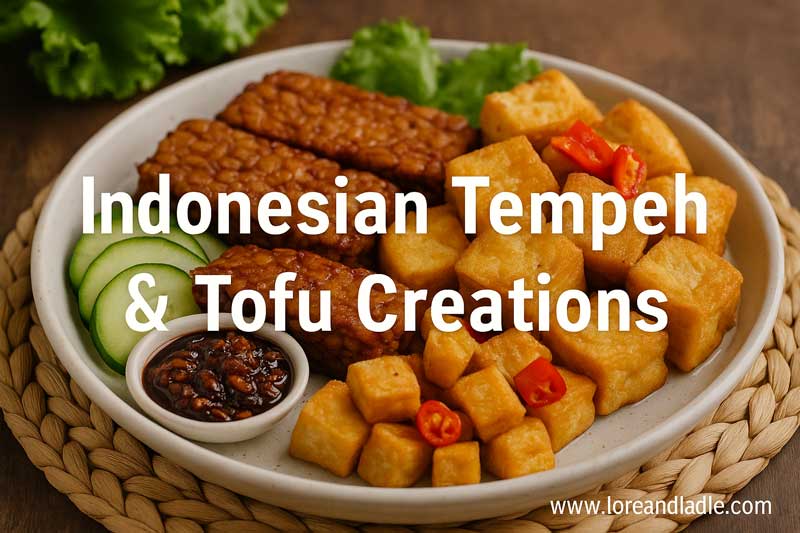
Tempeh satay features skewered pieces of tempeh that are marinated and grilled until they take on a light char. The skewers arrive with a thick, fragrant peanut sauce. Slices of cucumber and onion often accompany the plate for fresh contrast. The dish blends smoky notes with a nutty backbone, offering a balance of savory, sweet, and bright touches from lime or citrus.
Texture, Technique, and Balance
Tempeh brings a firm, satisfying bite, with a grainy, nutty texture that holds flavor well. Marinade components like garlic, shallots, turmeric, and soy provide depth before the quick grill. The result is a crisp edge and a tender interior that mingles with the velvety peanut sauce. The technique rewards patience and care, allowing the glaze to cling while the surface flavors deepen on the grill.
The Peanut Sauce: Heart and Harmony
The peanut sauce, or bumbu kacang, is central to satay’s charm. Its base is roasted peanuts, enriched with garlic, sweet notes from palm sugar or honey, and a touch of tang from lime or tamarind. A splash of kecap manis, a sweet soy, adds depth and a glossy finish. A hint of chili gives warmth without overwhelming the balance. The sauce invites dipping and drizzling, turning each bite into a harmonious moment of nut, spice, and sweetness.
Tempeh as a Star Ingredient
Tempeh stands out as a versatile, plant-based protein with a distinct, nutty flavor. Its firm texture holds marinades well and pairs beautifully with bold seasonings. In Indonesian cooking, tempeh is cherished for its aroma, chew, and ability to soak up sauce. When featured on a restaurant plate in America, tempeh satay showcases how traditional plant-based ingredients can shine in contemporary dining.
Restaurant Style and Cultural Value in America
American restaurants have embraced tempeh satay as part of a broader Indonesian-inspired menu. The dish appears with careful plating, balanced sauces, and thoughtful accompaniments. It helps diners explore new flavor profiles while appreciating familiar culinary concepts—grilled protein, a dipping sauce, and a bright vegetable side. The preparation highlights technique, timing, and the artistry of combining heat, smoke, and sweetness. In this way, the dish becomes a teaching moment about Indonesian cooking—how spice blends, heat levels, and fermentation work together to create a complete bite.
Other Indonesian Dishes Loved in America
Nasi Goreng: This Indonesian fried rice uses aromatics, sweet soy, and often a touch of chili. It is comforting, versatile, and easy to pair with savory toppings. In America, it is celebrated for its warmth and the way it invites customization.
Mie Goreng: A flavorful fried noodle dish that mirrors the same balance of sweet, salty, and savory notes. It often features vegetables, eggs, and a choice of proteins, making it a flexible dining option in many restaurants.
Gado-Gado: A fresh, colorful vegetable salad served with a rich peanut dressing. This dish shines with texture variety—crisp greens, tender beans, crunchy crackers—and a bright, nutty sauce that ties everything together.
Rendang: A slow-cooked, deeply seasoned dish featuring meat (often beef) or mushrooms in a coconut-cudny sauce with aromatic spices. Rendang demonstrates patience and layering of flavors, resulting in a tender, glowing plate that invites lingering tasting.
Flavor, Region, and Craft in Indonesian Cooking
Indonesian cuisine relies on bright aromatics—garlic, shallots, lemongrass, ginger, and galangal—and on coconut milk and peanut-based sauces. Spices and herbs are blended to create both comfort and excitement on the palate. The American dining scene has embraced these elements, honoring the careful balance of heat, sweetness, and acidity. Presentations emphasize color, texture, and the invitation to share.
Cultural Value and Culinary Significance
Dishes like Tempeh Satay and its Indonesian peers offer a window into a culinary language built on harmony. The combination of bold seasonings with gentle fermentation notes demonstrates a thoughtful approach to flavor layering. These plates celebrate plant-forward ingredients, fermentation, and comfort-food textures, all presented with care. They also encourage curiosity—diners learn to recognize the roles of peanut sauce, soy, palm sugar, and chili in crafting a cohesive dish.
The dishes are social experiences as well. They invite conversation about flavor preferences, spice tolerance, and the joy of discovering new textures. In American restaurants, these plates often become favorites that travelers and locals alike request again, bridging moments of shared enjoyment around a table.
Conclusion
Tempeh Satay and Other Restaurant-style Indonesian Dishes Loved in America illuminate the beauty of Indonesian Flavors in a modern dining setting. They honor traditional techniques while inviting adaptation, discovery, and appreciation. With their thoughtful balance of texture, aroma, and comforting sauce, these dishes celebrate artistry in the kitchen and the delight of a well-crafted plate. If you seek a menu moment that feels both fresh and familiar, these dishes offer a welcoming invitation to explore Indonesian culinary culture through every bite.