
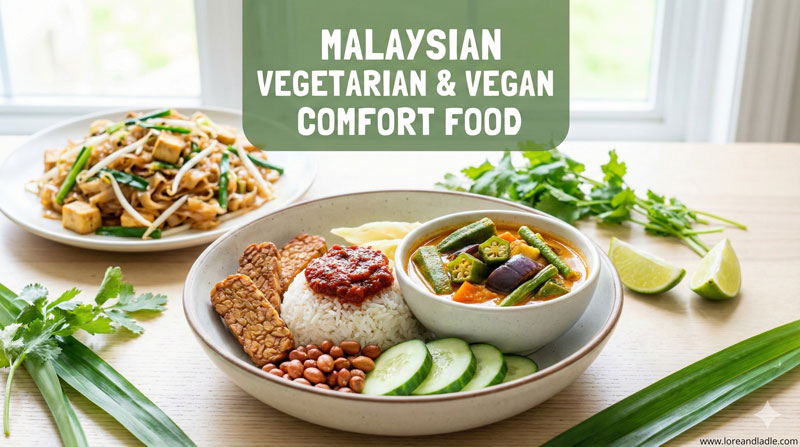
Introduction: A Malaysian-Inspired Comfort Dish
Food in Malaysia is a warm invitation. When you serve Tofu and Vegetable Curry Just Like a Malaysian Restaurant, you invite community and celebration. This dish embodies color, aroma, and balance. It showcases how plant-based ingredients can sing in harmony with fragrant spices. The result feels both comforting and sophisticated, a reflection of the country’s everyday meals and its restaurant kitchens alike.
The Soul of the Curry: Flavor, Aroma, and Technique
The heart of this curry rests on a careful layering of aroma. First, aromatics bloom in oil, releasing notes of garlic, ginger, and shallots. Next, spices mingle with coconut milk to create a creamy, bright base. Then, vegetables soften, and tofu absorbs the sauce’s warmth. Finally, a bright finish from lime or a touch of acidity ties the dish together. In this sequence, technique matters as much as taste. The goal is a scent that lingers and a texture that feels lush, without dulling the curry’s vibrant bite.
Core Ingredients: Tofu, Vegetables, and the Coconut-Milk Base
Tofu stands at the center as a versatile protein that absorbs flavor. It represents nourishment that’s accessible and comforting. Vegetables—think carrots, bell peppers, green beans, mushrooms, and leafy greens—bring color and texture. The coconut-milk base adds silkiness and a gentle sweetness that balances heat. Aromatics like lemongrass, turmeric, coriander, and cumin deepen the character without overpowering the dish. Fresh herbs, such as Thai basil or cilantro, finish the curry with a lively aroma. This combination reflects a culinary mindset that values both heartiness and freshness in every bite.
Cultural Value: Sharing, Variety, and Plant-Based Traditions
This dish shines as a symbol of shared meals and adaptable cooking. It welcomes everyone to the table, offering a plant-forward option that still feels festive. Families cook it for weeknight dinners and for gatherings, where the pot serves many and the flavors stay with you long after the last bite. The use of tofu highlights resourceful cooking that respects both flavor and nutrition. The curry also mirrors how Malaysian kitchens blend ingredients from different culinary traditions into one harmonious dish, creating a universal appeal without losing local identity.
Culinary Significance: Craft, Balance, and Tradition
The culinary significance lies in balance. The creamy coconut base holds the heat, while tangy brightness from lime or tamarind lifts the flavors. The dish respects texture, offering tender tofu, crisp vegetables, and a smooth sauce. It also demonstrates versatility in spice levels, allowing cooks to adapt to family preferences while preserving a signature curry aroma. In essence, the recipe communicates patience and refinement: bloom the spices, simmer with care, and finish with a respectful splash of acidity to awaken the palate. This approach elevates everyday cooking into a refined, restaurant-inspired experience at Home.
Regional Voices: How Variations Shape the Dish
Malaysia’s culinary landscape enriches this curry through regional influences. In some kitchens, a touch of palm sugar adds a gentle sweetness that echoes coastal markets. In others, a sting of fresh chili elevates the heat for a bolder profile. Some cooks use curry paste with Indonesian-style blends, while others prefer a milder powder approach. Local produce shapes the dish too: zucchini in one market, baby corn in another, or leafy greens that brighten the sauce. These variations demonstrate how a single dish can honor local seasons while maintaining its core identity. They also show how cooks adapt tradition to present-day tastes, keeping the dish lively and relevant.
Serving It Right: Pairings, Presentation, and Experience
Serve the curry with steamed jasmine rice or soft, warm flatbreads. A light cucumber salad offers a crisp counterpoint. A lime wedge on the side invites a final squeeze of brightness. Garnish with fresh herbs to add a hint of peppery aroma. The presentation matters as well: a colorful bowl with a glossy sauce invites the eye and the palate. The overall experience is about harmony—between spice and cream, between soft tofu and crisp vegetables, and between the familiar and the new in every spoonful.
Mindful Cooking: Sourcing and Respect for Ingredients
Choosing fresh ingredients enhances both taste and value. Seek firm tofu, seasonal vegetables, and fragrant herbs. Opt for coconut milk from sustainable sources, and choose spices with bright aroma and clean flavor. Mindful cooking means honoring the ingredient’s origin by handling them gently and avoiding waste. This mindful approach echoes the dish’s spirit: nourishment shared with care, respect for producers, and appreciation for the natural world that makes such flavors possible.
Conclusion: A Bridge Between Home Kitchens and Restaurants
Tofu and Vegetable Curry Just Like a Malaysian Restaurant offers more than a satisfying meal. It is a celebration of flavor, texture, and community. It blends coastal comforts with pantry staples, turning everyday ingredients into something memorable. In every simmer and splash of lime, the dish reveals the beauty of Malaysian home cooking and restaurant technique working together. It invites cooks to bring restaurant-inspired warmth into their own kitchens, while staying rooted in tradition and shared meals.