
Introduction
Welcome to a warm exploration of a celebrated collection: “Top 15 Taiwanese Vegetarian And Vegan Recipes Recipes to Try in the U.S.” This title signals a thoughtful window into Taiwan’s plant-forward cooking. The collection honors cultural values that shape daily meals and festival tables alike. It also highlights culinary significance, showing how simple ingredients can become deeply satisfying dishes. Readers will discover how Taiwanese vegetarian and vegan cooking blends tradition, seasonality, and craft in a way that is inviting to kitchens across the United States.
The Cultural Heart of Taiwanese Vegetarian Cooking
Taiwanese vegetarian cooking speaks to everyday life and shared meals. It values balance, freshness, and harmony of flavors. The dishes emphasize mindfulness in preparation, a careful selection of ingredients, and respect for the energy of each component. In many homes, meals are a moment of connection—between farmer and cook, between season and table, and between friends gathered around a pot. The vegetarian and vegan repertoire in Taiwan reflects this philosophy: simple vegetables, sturdy tofu, and aromatic seasonings come together to create nourishment that feels comforting and purposeful. The collection in this post celebrates that spirit, inviting cooks to slow down and give space to textures, aromas, and seasonal produce. It is, at heart, a tribute to craft, patience, and community around the dinner table.
Core Ingredients and Techniques That Define It
Several elements recur in Taiwanese vegetarian cuisine, and they shine in this collection. Tofu provides a versatile base for flavor and texture. Fresh vegetables offer crisp contrasts and color. Mushrooms bring umami depth that often replaces meat. Aromatics like garlic, ginger, scallions, and sesame oil knit flavors together. Soy sauces and sweet-salty braises create warmth and depth, while light steams and quick sautés preserve brightness. Techniques such as braising, stewing, steaming, and light frying let cooks build layered profiles without losing the plants’ character. The result is a style that feels both comforting and bright, with a balance that appeals to varied palates.
A Glimpse Into the 15 Dishes
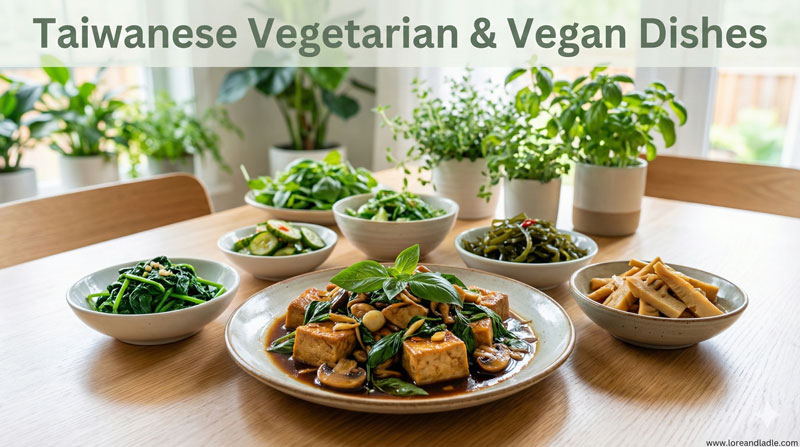
The fifteen recipes in this collection are chosen to showcase variety and harmony. Expect dishes that feel silky and comforting, along with ones that offer crisp textures and zesty sauces. You may encounter braised tofu and mushroom medleys, slow-simmered vegetable stews, and artful noodle or rice bowls. Each dish foregrounds plant-based richness while preserving Taiwan’s signature balance of sweet, savory, sour, and a touch of warmth. The collection serves as a culinary map, guiding cooks through different textures, sauces, and plating ideas that honor tradition while inviting personal interpretation.
How These Recipes Shine in American Kitchens
These recipes translate well to U.S. kitchens because they lean on pantry staples: soy products, fresh vegetables, basic aromatics, and common condiments. They are adaptable to seasonal produce and available ingredients in many regions. The dishes also encourage flexible cooking, from quick weeknight meals to slower weekend braises. Sharing these plates supports a sense of hospitality and curiosity about Taiwanese cuisine. In homes across the United States, they become a bridge that connects family meals with a broader table of flavors, making plant-based cooking both accessible and deeply satisfying.
Cultural Value and Culinary Significance
At their core, these recipes celebrate a culinary culture that values care, balance, and community. They honor farmers by highlighting fresh produce and regional ingredients. They recognize craft by rewarding techniques that preserve texture and brightness. They invite cooks to practice patience and to savor small steps—the bloom of aromatics, the gleam of soy glaze, the moment a sauce thickens. The collection also elevates plant-based cooking as worthy of celebration, showing how vegetarian and vegan dishes can be vibrant, deeply flavorful, and culturally meaningful. This is more than food; it is a shared ritual of nourishment and respect for ingredients, tradition, and the people who prepare and enjoy meals together.
Conclusion
“Top 15 Taiwanese Vegetarian And Vegan Recipes Recipes to Try in the U.S.” offers a welcoming path into Taiwan’s plant-forward cooking. It reveals how culture, craft, and care converge into dishes that delight the senses and honor tradition. The collection invites cooks to explore, adapt, and celebrate—one dish at a time. As you try these recipes, you’ll taste a culinary heritage that treasures freshness, balance, and communal joy.