
The Cultural Heart of Lao Cuisine
Lao food opens a window into shared meals, seasonal bounty, and careful balance. Its core is generosity: a table arranged with sticky rice, bright herbs, and a chorus of flavors that sing when eaten together. The same dish may appear at a family gathering, a street stall, or a refined restaurant, yet its purpose remains the same—to nourish the body and celebrate community. In Lao culture, food is a language of hospitality, a way to honor farmers, cooks, and guests, and a tender expression of place and season.
This cuisine elevates simple ingredients through technique and timing. Fresh herbs, citrus, and crisp vegetables brighten rich meats and hearty stews. Sticky rice anchors meals, not as a side dish but as part of the shared experience. Dishes are designed to be eaten by hand or with minimal utensils, inviting a relaxed, social rhythm at the table. The result is food that feels both rooted and alive, always in motion as cooks adjust sauces, spice, and acidity to highlight each bite.
As you explore Lao flavors, you’ll notice a careful dance between sour, salty, spicy, and herbal notes. Lime or tamarind brings brightness; fish or salt provides depth; chilies wake the palate; herbs such as mint, coriander, and dill lift the dish with a fragrant finish. This balance makes Lao cuisine deeply satisfying, whether you are sampling a brisk bite on a busy street or savoring a leisurely meal in a dedicated Lao kitchen. The beauty lies in how distinct components harmonize, producing a dining experience that feels comforting and bright at once.
Core Flavors and Techniques that Shape Lao Dining
Key elements define Lao cooking. First, sticky rice is not merely a staple; it is a cultural symbol of sharing and connection. It accompanies every course and invites diners to pause, roll, and dip with their hands. Second, freshness rules. Crisp cucumbers, herbs, and greens provide contrast to tender meats and hearty stews. Third, aromatic herbs and chiles create a lively backbone. They wake flavors without overpowering the dish, inviting more breathing room on the palate. Fourth, sauces with lime and fish sauce tie dishes together, giving brightness and depth in equal measure. Finally, regional touches—roasted rice powder, various dips, and slow-cooked stews—reveal how Lao cooks tailor a dish to season, humidity, and local ingredients.
Culinary technique shines in several beloved preparations. A bright minced meat salad uses quick chopping, fresh herbs, and a judicious splash of citrus to puncture richness with acidity. A chili-forward dip, or jeow, invites shareable spoons of sticky rice and creates a convivial moment at the table. Stews like or lam showcase layering—meat simmered with vegetables, herbs, and a touch of aromatics to develop depth over time. These methods honor improvisation within tradition, allowing cooks to celebrate what is fresh and in season, while preserving the recognizable essence of Lao cooking.
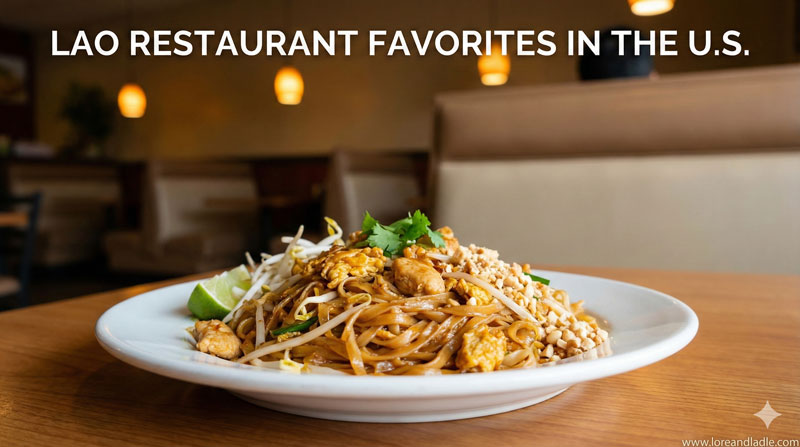
The Ultimate List of Lao Restaurant Favorites in the U.S. to Explore in the U.S.
This curated list highlights dishes you’ll commonly find in Lao restaurants across American cities. Each dish carries cultural value and culinary significance, inviting you to taste Lao hospitality and craft in a single bite or a slow, shared meal.
-
Larb (Larb Moo or Larb Neua): A bright, minced-meat salad with lime, fish sauce, herbs, and roasted rice powder. It embodies balance—meat that’s juicy and light, a tangy lift from citrus and acid, and a herbal finish that clears the palate. Larb is often plated in generous portions for sharing, symbolizing communal dining and the joy of sampling a variety of flavors.
-
Jeow Dip (Jeow Bong or Jeow Mak Pu): A family of chili and herb dips served with sticky rice. Jeow brings a peppery heat and fresh greens, turning a simple bite into a vibrant conversation on the plate. Its fiery backbone invites diners to adjust the heat with each scoop, showcasing the cook’s skill in layering spice and aroma.
-
Sai Ua and Other Lao Sausages: Aromatic, herb-forward sausages grilled to a crisp finish. They highlight rural flavor profiles—garlic, lemongrass, and spice—transformed into an accessible, daily staple when shared as part of a platter or alongside sticky rice.
-
Or Lam: A hearty stew built with meat, eggplant, and herbs, slow-cooked to meld flavors. Or Lam emphasizes patience and seasonality, celebrating humble ingredients that gain elegance through time and gentle simmering.
-
Tam Mak Hoong (Lao Papaya Salad): Crisp, sour, and savory with a toasted rice powder for texture. This salad speaks to freshness and balance, pairing with grilled meats or enjoyed as a refreshing counterpoint to richer dishes.
-
Khao Niaw (Sticky Rice): The central staple that binds meals. Eaten with hands, rolled into bite-sized portions, and used to scoop dips or sauces. Sticky rice embodies hospitality and unity at Lao tables.
-
Sai Oua (Lao Sausage) and Other Grilled Meats: Smoky, aromatic, and deeply satisfying. Grilled meats are often seasoned with herbs and spices that reflect market freshness and backyard grilling traditions, making them perfect for sharing.
-
Mok Pa or Mok Neua (Steamed Fish in Banana Leaf): A delicate preparation where fish is seasoned and steamed in banana leaves. The aroma carries through the kitchen, highlighting technique and a calm, respectful approach to seafood.
-
Lao Suki (Lao-style Hot Pot): A communal hot pot experience featuring a light broth, noodles, vegetables, and sliced proteins. It celebrates togetherness at the table and showcases how Lao households enjoy social dining with warmth and generosity.
-
Fresh herb plates and side accompaniments: Mint, cilantro, dill, and basil often appear on the side. They invite aromatic additions and encourage diners to tailor each bite to personal preference, enhancing the sense of participation in the meal.
Savoring Lao Dishes in the United States: Culture Through Flavor
Across the United States, Lao restaurants translate tradition into contemporary dining. Chefs honor classic flavor principles—bright acidity, herbal brightness, and careful seasoning—while presenting plates that feel fresh and inviting. The result is a cuisine that is both timeless and accessible, offering a clear path to understanding Lao culinary culture through taste, texture, and aroma.
Diners discover how a shared meal becomes a cultural invitation: a plate of larb invites conversation about balance; a bowl of or lam encourages appreciation for patience and layered flavors; a table filled with sticky rice prompts everyone to participate in a traditional practice of dining together. The culinary significance lies in how each dish communicates care, seasonality, and skill. The U.S. landscape provides space for Lao chefs to innovate while preserving key techniques, letting the dishes travel with authenticity and warmth.
Bringing Lao Flavor into Everyday Meals
To carry this experience home, start with the essentials: sticky rice, fresh herbs, lime, and a splash of fish sauce. Build a small spread that includes a bright larb, a tangy tam mak hoong, and a simple jeow dip. Use the rice as the anchor, letting guests scoop and combine bites as they wish. Savor the balance of textures—crisp greens, tender meat, and crunchy rice powder. Above all, share the meal slowly, appreciating how each bite resonates with culture, craft, and care.
In the end, the Ultimate List of Lao Restaurant Favorites in the U.S. to Explore in the U.S. invites you to taste more than meals. It invites you to celebrate the beauty of Lao flavors, the skill of Lao cooks, and the warmth of Lao hospitality. The dishes reflect a culture that loves to gather, season with brightness, and honor every ingredient with respect and joy.