
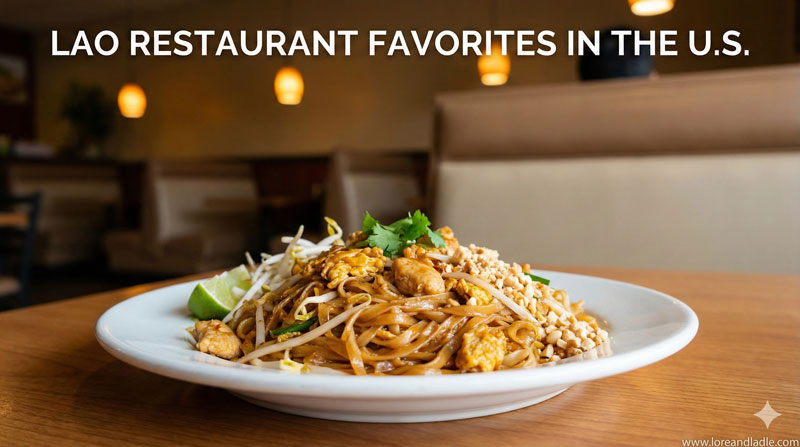
Opening Note: Celebrating Lao Takeout Classics in the U.S.
Takeout-inspired Lao restaurant favorites found across the United States reveal a graceful blend of bright flavors, precise technique, and shared meals. This post highlights the cultural value and culinary significance of these dishes, and offers tips for recreating them at Home. The goal is to honor the beauty of Lao cooking while making it accessible to home cooks.
The Heart of Lao Cuisine: Sticky Rice as a Shared Canvas
Sticky rice sits at the center of Lao meals. It is more than a side dish; it is a communal canvas that invites dipping, scooping, and sharing. In Lao cooking, the texture is soft yet chewy, and the shape is simple—little balls are rolled by hand and eaten with fingers. This humble grain anchors the flavors of meat, fish, vegetables, and sauces. When you recreate Lao plates at home, start with good sticky rice, and let it guide your portions, pacing, and presentation. The cultural value here is in the ritual of gathering, breaking bread—or rice—and savoring the harmony of the table.
Larb: A Bright, Aromatic Celebration of Fresh Herbs
Larb is a signature Lao dish that shines with balance and brightness. Cured, ground meat—usually pork, beef, or chicken—meets lime juice, fish sauce, shallow heat, and toasted rice powder for a nutty texture. Shallots, green onions, mint, cilantro, and sometimes dill lift every bite with fresh herb notes. This dish embodies Lao culinary philosophy: hot, sour, salty, and aromatic elements play off one another to create clarity and liveliness on the palate. Takeout versions often arrive with neat herb piles on the side, inviting you to finish with a final herb toss. At home, you can control heat and freshness, preserving the dish’s essential spirit.
Papaya Salad (Tam Mak Hoong): Crisp, Sour, and Irresistible
Tam Mak Hoong is a vibrant duet of texture and tang. Shredded green papaya provides crunch, while lime juice, fish sauce, and palm sugar strike a precise balance of sour, salty, and sweet. Tomatoes, long beans, and chiles add color and heat, while optional fermented crab paste brings a savory depth. The Lao version emphasizes bright acidity and a crisp bite, making this dish a refreshing counterpoint to richer meat mains. Recreating it at home lets you adjust the level of heat and tang, preserving its lively character.
Mok Pa and Sai Oua: Fragrant Steam and Sizzling Spice
Mok Pa (steamed fish wrapped in banana leaves with herbs) and Sai Oua (Laotian sausage) showcase aromatic cooking techniques and field-to-table ingredients. Mok Pa relies on aromatics like dill, lemongrass, and kaffir lime leaves tucked into the leaf wrap, yielding delicate, fragrant fish with a juicy interior. Sai Oua blends lemongrass, chilies, shallots, and a chorus of herbs for a smoky, bright sausage. These dishes highlight Lao skill in layering aroma and moisture, offering fragrant, comforting experiences that travel well from restaurant kitchens to home tables.
Jeow: The Dipping Sauces that Elevate Every Bite
Jeow, a family of Lao dipping sauces, is essential for tying a meal together. A well-made jeow balances chilies, garlic, shallots, lime, and fish sauce with herbs like cilantro or mint. Depending on the recipe, it can be tangy, herbaceous, or gently sweet. Dipping vegetables, grilled meats, and sticky rice into a well-seasoned jeow elevates flavors and creates a cohesive tasting experience. In takeout menus, jeow often arrives as a bright companion that invites you to experiment with each bite.
The Culinary Philosophy: Balance, Freshness, and Technique
Lao cooking prizes balance: sour, salty, spicy, and aromatic notes arrive in harmony, never overpowering one another. Fresh herbs—mint, cilantro, dill, Thai basil—accent the dishes and offer cooling contrasts to heat. Toasted rice powder adds a nutty bite without heaviness. Techniques range from quick searing in larb to gentle steaming in mok pa, all aimed at preserving brightness and moisture. Understanding this philosophy helps home cooks replicate the dishes with respect and clarity.
Practical Tips for Recreating at Home
- Toasted rice powder (khao khoua): Toast white sticky rice until golden, then grind finely. Add a small amount to larb or papaya salad to achieve that characteristic toasty note.
- Fresh herbs: Prepare a bright herb bouquet for each dish. Tear or mince herbs just before serving to preserve aroma.
- Heat control: Start with moderate chili, then adjust. Lao dishes often reveal their complexity as flavors meld at the table.
- Fish sauce and lime: Use a light hand with saltiness; lime juice should wake the dish without overpowering it.
- Vegetarian options: Use mushroom or tofu for larb, and choose tamarind or lime to deliver acidity in papaya salad.
Where to Find and How to Adapt Ingredients in the U.S.
In the United States, you’ll find Lao ingredients at regional Asian markets, specialty grocers, and online shops. Look for fish sauce, palm sugar, fresh chilies, lemongrass, dill, mint, cilantro, and lime leaves. Sticky rice is available in many grocery stores, often labeled as glutinous rice. If you can’t locate a Lao-scale market, start with high-quality ingredients from a trusted market, and adjust to taste as you go. The key is to honor the balance and freshness that define Lao takeout favorites.
The Table as Cultural Expression
Sharing Lao favorites at home creates a moment of connection: the aroma of herbs, the tactile pleasure of sticky rice, and the vibrant sauces that invite communal tasting. Each dish offers a window into culinary practice that honors seasonality, texture, and flavor. By recreating these plates, home cooks participate in a continuing conversation about Lao food culture—one that celebrates care, detail, and the joy of good eating.
Conclusion: Savoring Lao Takeout Classics at Home
Best takeout-inspired Lao restaurant favorites in the U.S. are more than meals; they are expressions of flavor philosophy, craft, and hospitality. Recreating them at home lets you explore the beauty of Lao food, from sticky rice to the bright bite of larb and the zesty charm of tam mak hoong. With thoughtful technique and fresh ingredients, you invite Lao culinary art to your table—and you invite friends and family to Share in its timeless, flavorful story.