
Introduction
Meet the Best Taiwanese Boba And Tea Drinks Dishes to Brighten Up Your Weeknights. This collection centers on cultural value and culinary significance. It celebrates tea as a daily ritual and boba as a playful textural companion. The focus is on how these drinks enrich evenings, spark small rituals, and connect people through shared flavors and craft. You will find that each drink offers more than taste; it offers storytelling, technique, and a sense of place within Taiwanese food culture.
Roots of Taiwanese Tea Culture
Taiwan has a long tea tradition rooted in careful harvest, precise processing, and thoughtful brewing. Oolong, green, and black teas each carry distinct aromas and color. The island’s hills provide ideal growing conditions, shaping leaves that release bright floral notes or deep caramel tones. Bubble tea emerged later as a creative continuation of this heritage. The combination of strong tea with milk, sugar, and chewy pearls became a new kind of tea experience. In this dish collection, the tradition shines through in the balance of tea strength, sweetness, and texture. The result is a drink that respects its roots while inviting modern imagination.
The Boba Pearl: Texture and Craft
Central to these dishes is the boba pearl. Its chewiness adds a playful contrast to the smooth liquid of tea. The pearls are typically made from tapioca starch and rendered with a gentle chew that lingers on the palate. Variations include brown sugar-coated pearls and smaller or larger sizes that change the mouthfeel. Craft plays a key role: boiling to adjust chew, rinsing to keep pearls glossy, and timing the addition to preserve texture. In this collection, pearls are not mere add-ons; they are a deliberate element that shapes the drink’s rhythm and satisfaction.
Tea Varieties and Flavor Pairings
A wide range of Taiwanese teas pair with boba to create different moods for weeknights. Oolong tea offers a gently roasted backbone with fruity hints. Sun Moon Lake black tea brings a robust, malty profile that stands up to milk and sweetness. Green teas give fresher, lighter notes and a crisp finish. Milk tea smooths the sip, while fruit teas brighten the cup with citrus or berry accents. Toppings like popping boba, grass jelly, or red bean add layered textures and subtle contrasts. This variety invites you to explore how tea, milk, and toppings harmonize to reflect personal taste. The result is a curated spectrum of flavors suited to after-work refreshment, study breaks, or casual chats with friends.
Crafting the Drink: Method and Ritual
The making of these drinks highlights technique and mindfulness. Brew strength matters: a well-extracted tea base prevents overpowering sweetness. Shaking or stirring adds air and chill, producing a silky, balanced sip. Sweetness is adjustable, guiding the drink toward a gentle finish or a bolder profile. Ice choice matters too: large cubes melt slowly, keeping the drink at the right temperature without diluting flavor too quickly. Each cup becomes a small act of care, a moment to slow down, enjoy aroma, and savor the fusion of traditional tea and modern texture.
The Social and Cultural Experience
In Taiwan and beyond, tea shops serve as inviting gathering spaces. Weeknights become occasions to pause, chat, and share a drink that feels both comforting and exciting. The act of ordering—choosing tea base, sweetness level, and toppings—creates a personal ritual. Friends and colleagues can compare notes on texture, aroma, and balance. This social aspect is a key cultural value: it fosters connection, conversation, and a sense of belonging around a beloved treat. The dish collection honors this communal spirit while inviting individual expression.
Aesthetics and Presentation
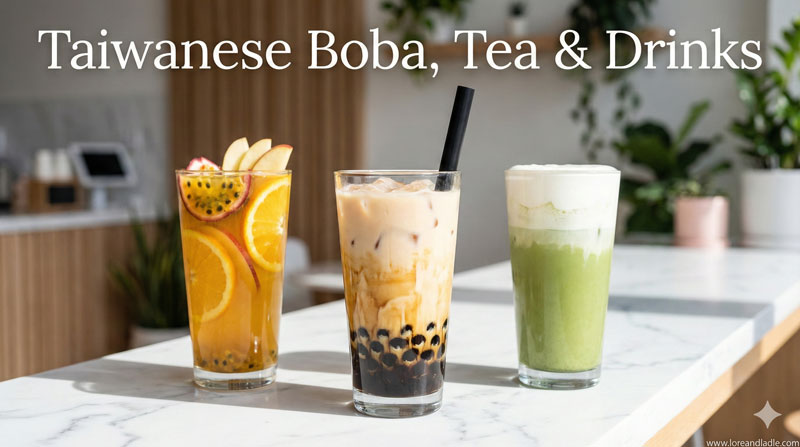
Beauty enhances the experience. Transparent cups reveal layers of color, from pale milk-tea hues to deep amber pearls. Glassware and cup design underscore care for presentation. A well-presented drink invites slower sipping and mindful tasting. The visual appeal complements the aroma, texture, and flavor, turning a simple beverage into a small celebration. This attention to presentation reflects the care and pride embedded in Taiwanese boba and tea culture.
Regional Flavors and Modern Twists
Taiwan’s diverse regions offer distinctive flavors that enrich the broader bubble tea scene. Dong Ding oolong delivers a toasty perfume, while Jin Xuan varieties give buttery notes. Local sweets or fruits can drive seasonal twists, such as almond, taro, or mango infusions. Modern twists include inventive toppings and creative combinations that stay respectful to tea’s integrity. This balance between tradition and invention is a core strength of the collection. It demonstrates how culinary culture can evolve while honoring its origins.
Conclusion
The Best Taiwanese Boba And Tea Drinks Dishes to Brighten Up Your Weeknights stands as a testament to cultural value and culinary significance. It shows how tea and boba craft a bridge between daily routine and shared delight. The drinks celebrate technique, texture, aroma, and the social joy of gathering. They remind us that a well-made cup can brighten an evening and connect people through flavorful tradition. If you seek a tasteful, respectful tribute to Taiwanese tea culture, this collection offers inviting, clear pathways to explore, taste, and share.