
Introduction
Traditional Katlama is a beloved star in Uzbekistani kitchens. This dish appears beside the fragrant rice and pilaf, adding a warm, comforting note to the table. It invites everyone to share in a meal that feels as welcoming as a family smile. The flavor and texture of katlama honor the patience and skill of Home Cooks, and its presence elevates everyday dining into a small celebration of culture.
What is Traditional Katlama?
Traditional Katlama is a crisp, flaky flatbread made with care. Bakers work with simple ingredients—flour, water, salt, and yeast—then layer and fold the dough to create delicate strata. The result is a bread that yields a tender interior and a golden, slightly blistered crust. Warm and buttery, katlama carries the aroma of melted fat and baked dough, making it irresistible at the table. Each bite offers a gentle snap followed by a soft, pliant center that pairs beautifully with pilaf.
The Role in Uzbekistani Rice & Pilaf Traditions
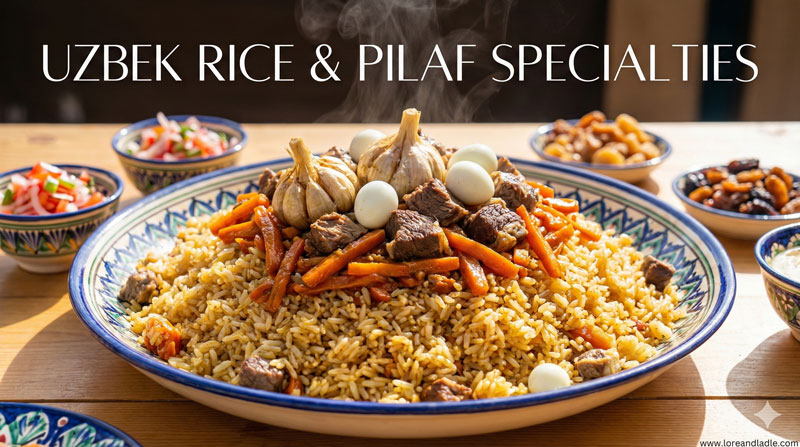
In Uzbek cuisine, pilaf or plov is a celebrated dish around which family meals gather. Katlama serves as both companion and complement, soaking up the savory juices from meat, carrots, and rice. It can be used to scoop pilaf, much like a utensil, or eaten alongside small bites of meat and vegetables. The pairing elevates textures—the flaky bread contrasts with the tenderness of the pilaf—creating a harmonious dining experience. Together, they tell a story of shared labor, patience, and careful timing in the kitchen.
Ingredients and Craftsmanship
The heart of Traditional Katlama lies in its craft. Common ingredients include flour, water, salt, and yeast for the dough, with butter or ghee brushed on the layers for richness. Some versions are finished with sesame or nigella seeds, adding a light nutty crunch. The artistry comes from rolling, resting, and layering the dough, then baking it to a crisp edge. The baker’s touch—temperature control, even rolling, and patient layering—defines the bread’s final character. This attention to technique reflects a long-standing culinary value: care translates to flavor you can feel in every bite.
The Cooking Process and Texture
A successful katlama begins with a well-kneaded dough that relaxes with time. After resting, the dough is rolled thin and folded to create layers. The layers are stacked and baked until the surface glows with a warm sheen. The result is a crust that shatters softly and a center that stays tender. The aroma of butter and toasty flour wafts through the kitchen, inviting everyone to the table. When served warm, katlama’s texture feels indulgent yet light, making it a perfect foil for the savory richness of pilaf.
Cultural Significance and Gatherings
Katlama embodies hospitality and care. It is often prepared for family gatherings, holidays, and celebratory meals, where the bread becomes a symbol of warmth and welcome. Sharing katlama with guests signals generosity and a desire to nourish others. The bread’s presence helps anchor memories of feasts and everyday meals alike, reinforcing the sense that food is a bridge between people. In this way, Traditional Katlama is more than bread; it is a thread in the fabric of Uzbek culinary culture.
Serving Traditions and Pairings
Serve katlama warm, cut into generous pieces that invite sharing. The bread pairs wonderfully with pilaf, but it also stands on its own as a snack with tea. For a complete experience, place katlama beside the steaming pot of Uzbekistani rice and pilaf, allowing guests to adapt portions to their own taste. A dab of butter on the cut edge heightens the fragrance and richness. The combination becomes a timeless ritual of savoring, conversation, and connection.
Regional Variations within Uzbekistan
Within Uzbekistan, you may notice small regional differences in katlama. Some homes season the dough lightly with subtle herbs, while others favor a richer finish with more generous butter. Seeds on top vary by family tradition, adding a delicate crunch and toasty perfume. Regardless of the variation, the core idea remains the same: a layered bread that complements the pilaf and honors the craft of traditional baking.
Tips to Enjoy Traditional Katlama
- Eat it fresh and warm for the best texture and aroma.
- Reheat gently in a warm oven to regain crispness without drying out.
- Pair with pilaf for a balanced bite that highlights both dishes.
- Experiment with a light spread of butter or honey if you enjoy a touch of sweetness.
Final Thoughts
Traditional Katlama is more than a bread; it is a cultural hug on a plate. Its layered texture, warm aroma, and affectionate pairing with Uzbekistani rice and pilaf celebrate the artistry of home cooking. By honoring this dish, diners connect with a tradition of hospitality, patience, and shared joy. If you seek a flavorful window into Uzbek cuisine, katlama offers a welcoming start—delightful, comforting, and unmistakably authentic.