
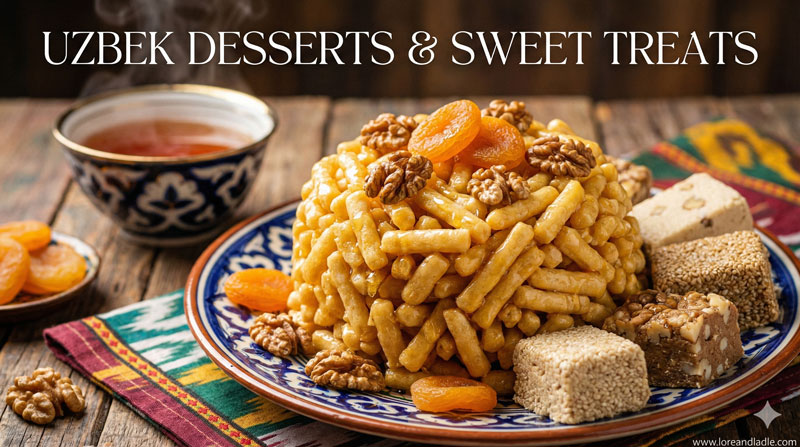
A Golden Introduction to Traditional Naryn
Traditional Naryn is a warm invitation to Uzbek hospitality. It features silky hand-cut noodles folded into a clear, savory broth with tender meat. The dish speaks softly of home, family gatherings, and ages-old cookery passed from one generation to the next. In Uzbek cuisine, Naryn sits at the heart of the table, a quiet expression of care and craft. Its very presence on the platter signals a shared moment, a pause for nourishment, and a celebration of simple, honest flavors.
Cultural value in Uzbek cuisine
Naryn embodies the routine as ritual in Uzbek culture. Making the noodles by hand honors the cook’s skill and patience. Rolling, cutting, and drying the dough become acts of memory, linking young cooks to grandparents’ kitchens. The dish also demonstrates hospitality: guests are welcomed with warmth, and food is a language of respect. The generous portions and steaming bowls invite conversation, storytelling, and laughter. In this way, Naryn is more than a dish; it is a social ritual that strengthens family ties and neighborhood ties alike.
Culinary significance: texture, balance, and technique
The beauty of Naryn lies in its balance. The noodles, tender yet firm, provide a delicate chew that holds up to the flavorful broth. The meat, simmered slowly, releases a depth of aroma without overpowering the noodles. Aromatics—garlic, onions, coriander, cumin—lend warmth and clarity to the broth. The technique is teachable, yet the result remains intimate: a dish that rewards careful hands and attentive timing. Each bite blends comfort with restraint, a hallmark of careful Uzbek cooking.
The craft of noodle-making
Hand-cut noodles are the soul of Naryn. Skilled hands roll dough thin, then slice it into long, even strips. The freshness of the noodles matters; they soak up the savory broth while maintaining their shape. This craft passes through families and local kitchens, often adapting to available meats and spices. The noodle work connects cooks to a traditional repertoire that the community preserves with pride.
Serving rituals and moments of sharing
Naryn is commonly served in a generous bowl, with steam rising to greet the table. A simple garnish of fresh herbs or a pinch of ground pepper can brighten the aroma. Diners typically share from the same dish, a symbol of unity and fellowship. In Uzbek culture, the act of serving and passing the bowl along fosters a sense of belonging and mutual care.
Regional variations within Uzbekistan
Across Uzbekistan, Naryn reflects regional character. In some regions, the broth is clearer and lighter; in others, it carries a deeper spice note. The choice of meat—lamb, beef, or a mix—adds regional nuance. Noodle thickness and cut length can vary, producing subtle differences in texture. These variations show how a single dish adapts to local tastes while remaining recognizably Naryn.
Pairings that elevate the experience
To savor Naryn, many diners favor a simple, refreshing accompaniment. A cool ayran or a light yogurt drink often complements the warmth of the dish. Fresh herbs, raw onion slivers, or a squeeze of lemon can brighten the palate without masking the core flavors. Tea, especially a green or black variety, provides a gentle counterpoint and a moment of pause between bites.
Modern reinterpretations while honoring tradition
Chefs today reimagine Naryn with careful respect for tradition. Some kitchens experiment with noodle texture or broths crafted from quality stock, while others keep the classic approach intact. The result is a living tradition: a dish that honors its roots while inviting new diners to experience its comforting charm. Even in contemporary settings, Naryn retains its essential spirit of warmth and generosity.
Preserving the craft for future generations
Preservation matters. Families and restaurants alike pass Naryn recipes from elders to younger cooks, ensuring techniques and values endure. By documenting methods, sharing tips, and inviting new cooks to participate, communities keep the dish vibrant. This continuity preserves not just a recipe but a welcoming mindset—the idea that food can bring people together with grace and respect.
A heartfelt conclusion
Traditional Naryn stands as a graceful pillar of Uzbek culinary culture. Its noodles, broth, and meat reflect careful technique, shared rituals, and a long-standing love of nourishment. The dish offers a warm glimpse into how food can teach patience, generosity, and connection. By savoring Naryn, readers and diners celebrate a timeless flavor and the cultural care that makes Uzbek dining so inviting and meaningful.