
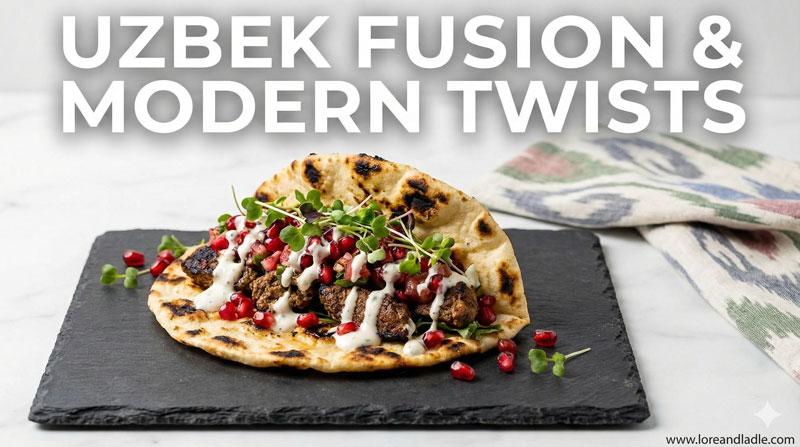
Traditional Palov – Uzbekistani Fusion & Modern Twists Flavor You’ll Love
Palov is more than a dish. It is a story told in rice, meat, and spice. The aroma invites you in. The act of cooking brings people close. In Uzbekistan, palov sits at the center of gatherings. It links generations and welcomes guests with warmth. This post celebrates its cultural value and culinary significance. We focus on the craft, the flavors, and the shared joy that comes with every bite.
A Celebration in a Pot: The Cultural Value of Palov
Palov acts as a bridge between everyday meals and festive occasions. Families prepare it for weddings, feasts, and national holidays. It marks moments of togetherness and shared effort. A cook’s skill shines when layers form without crowding. The dish teaches patience, timing, and respect for ingredients. When people gather around the kazan, they listen to the sizzle and share stories. This ritual turns cooking into a social art. Hospitality shines as hosts present a generous portion to guests. In Uzbek culture, food is a welcoming gesture, and palov embodies that spirit with its generous, communal nature.
Core Ingredients and Their Significance
Rice, meat, onions, and carrots form the backbone of palov. Rice provides the dish’s heart, absorbing the flavors slowly. Meat, usually lamb or beef, brings warmth and depth. Onions add sweetness, while carrots give color and a subtle sweetness. Oil or fat carries the aromas and helps build the dish’s familiar sheen. Cumin and coriander seeds season the pot, releasing fragrance as they crackle in heat. Garlic can brighten the mix, and some cooks finish with a touch of pepper. Depending on local tastes, cooks may add raisins, dried apricots, or chickpeas for a sweet contrast or extra texture. Each ingredient carries meaning: nourishment, generosity, and balance. The careful balance of moisture and heat tells a story of control and care in the kitchen.
Cooking Technique: The Art of the Kazan
A large kazan or deep iron pot anchors palov cooking. The method is precise and attentive. First, cooks heat oil until it shines, then soften onions to a translucent gold. Next, they add meat and brown it slowly, developing a rich fond. Carrots join and sweeten the base as flavors mingle. After that, the rice is added in a careful layer, often with water raised to a predictable level. The pot is left to simmer, with steam gently lifting the kernels while the spices perfume the air. The cook watches for even cooking, preventing soggy grains or dry pockets. Finally, a short rest before serving helps the flavors settle. The technique honors time, balance, and the joy of sharing.
Fusion and Modern Twists: New Voices in a Classic Dish
Modern palov honors tradition while inviting new flavors. Chefs experiment with herbs, seeds, and regional ingredients to reflect contemporary palates. Some versions incorporate fresh peppers, tomatoes, or dill for brightness. Others blend in dried fruits or pomegranate seeds to echo sweetness with a tang. A few cooks introduce alternative grains or lighter oils, emphasizing a modern sense of texture and nutrition. Each twist remains respectful of core techniques: layering, careful timing, and a generous, communal finish. The result is a dish that feels familiar yet refreshingly new, inviting both longtime fans and curious newcomers to explore Uzbek culinary roots.
Serving Traditions and Social Bonds
Palov is served hot from the kazan, often in a shared dish or large platter. Guests gather around, and patience becomes part of the experience. A plate is filled generously, with portions kept fair for all. Tea and bread accompany the main course, reinforcing hospitality. The act of serving is as important as the flavors themselves. Sharing palov invites conversation, laughter, and gratitude. In this way, the dish strengthens social ties and celebrates the joy of feasting together.
regional Variations Across Uzbekistan
Across Uzbekistan, palov carries regional accents. In some areas, lamb is the preferred meat, producing a deep, fatty richness. In others, beef or a mix of meats adds a different depth. The carrot-to-rice ratio can vary, changing color and sweetness. Samarkand may lean toward richer spice notes, while Tashkent styles emphasize a bright onion aroma. Fergana Valley cooks might blend in small aromatics or dried fruit for subtle sweetness. These regional touches enrich palov while preserving its essential technique and spirit. The diversity demonstrates how a single dish can reflect local tastes and seasonal abundance.
Palov in Daily Life and Celebrations
Palov anchors everyday meals as reliably as it shines at celebrations. Families cook it for weekends, reunions, and special guests. Its preparation becomes a shared project, with different relatives contributing steps and stories. The dish teaches generosity: a full pot signals welcome to all who arrive. In daily life, palov remains a touchstone of warmth and hospitality. In celebrations, it becomes a centerpiece, inviting everyone to savor and reflect on togetherness. The simple act of serving palov can transform a routine gathering into a memorable moment.
Etiquette and Appreciation: Preparing with Care
Approach palov with respect for the ingredients and the craft. Use fresh rice and good meat, and maintain steady heat. Stirring should be intentional, not frantic, to protect the integrity of the grains. Taste as you go, adjusting salt and spice to balance. Present the dish with clean plates and a calm, welcoming demeanor. Appreciation grows when guests share their impressions and stories about the dish. By honoring the process, you honor the people who made it with care.
Conclusion: A Dish That Bridges Flavor and Culture
Traditional Palov embodies hospitality, craft, and regional flavor. It welcomes guests with warmth and invites them to participate in a shared experience. The dish remains rooted in time while embracing gentle modern twists. In every bite, you taste history, skill, and community. Palov stands as a beautiful reminder: food can unite people, celebrate skill, and honor the cultural values that shape a nation’s table.