
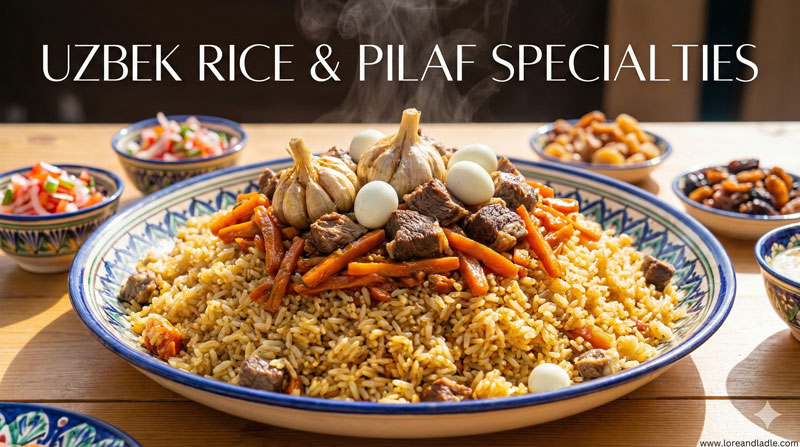
Traditional Palov – Uzbekistani Rice & Pilaf Specialties Flavor You’ll Love
Traditional Palov is more than a dish. It Is a window into Uzbekistani kitchens, a symbol of hospitality, and a celebration of simple, high-quality ingredients brought to life with care. This pilaf-style treasure blends aroma, texture, and balance. When you taste it, you hear a quiet story of gatherings, family, and time-honored technique.
What Palov Means in Uzbek Culture
Palov gathers people around a common table. The pot becomes a center of warmth and conversation. There is rhythm in the cooking: onions begin the melody, meat adds depth, and rice lifts the dish to a fragrant finale. The preparation itself is a ritual of patience and attention. Sharing Palov shows respect for guests and pride in tradition. It is enjoyed on ordinary days and during festive moments, always signaling welcome and togetherness.
Key Ingredients and the Craft of Palov
The core lineup is simple and noble. Long-grain rice gives a fluffy, separate texture. Meat, typically lamb or beef, provides a rich backbone. Onions and carrots lend sweetness, color, and body. Garlic adds a gentle bite. Oil or animal fat carries flavor. Common spices include cumin, black pepper, and a touch of salt. In some kitchens, saffron or dried fruits may join the pot for subtle aroma.
The technique matters as much as the ingredients. Start with sizzling onions to build a golden base. Add meat and let it brown, which deepens the flavor. Carrots enter next, releasing sweetness as they soften. Rice goes on top, then hot stock or water is added with care. The key is a steady simmer and careful steaming, so the grains stay distinct while absorbing aroma. A quiet rest period before serving helps every bite align in harmony.
The Flavor Journey: Texture, Aroma, and Taste
Palov delivers a warm, earthy aroma that fills the room. The onions caramelize, releasing a gentle sweetness. Carrots contribute color and a soft sweetness that pairs with the savory meat. The rice remains light and fluffy, each grain separate yet deeply infused with the pot’s steam. The result is a comforting balance: savory meat, sweet onion and carrot, and a fragrant, nutty finish from the toasted grain and spices.
Celebrations and Everyday Moments with Palov
Palov shines in both daily meals and special gatherings. In homes and markets, cooks prepare large batches to share. The dish invites conversation, a slow pace, and careful sharing of portions. It pairs with fresh bread, yogurt drinks, and herbal tea, reinforcing a feeling of welcome. Whether a family supper or a community feast, Palov makes the moment feel memorable without overwhelming the senses.
Regional Touches and Variations
Across Uzbekistan, Palov adapts to local tastes. Some versions emphasize a richer meat presence; others highlight a brighter carrot sweetness. A few cooks tweak spices, adding a hint of coriander or paprika. Some folk dust the surface with toasted seeds or herbs just before serving. Each variation preserves the core idea: a balanced, fragrant rice dish that honors ingredients and method, yet welcomes personal touch.
How to Enjoy Palov: Serving and Pairings
Serve Palov on a wide platter or large tray so guests can see the colorful layers. Garnish lightly with fresh herbs if desired. Pair it with a chilled yogurt drink or mint tea, and serve fresh bread on the side. A simple pickle or tomato salad can brighten the plate without stealing focus from the main dish. The dish shines when shared in generous portions and served with a sense of care.
A Modern Take While Honoring Tradition
Cooks today honor Palov by preserving its core technique while exploring gentle modern twists. Some home cooks simplify steps for a quicker version, without compromising the essential texture. Others experiment with small, thoughtful additions—like a touch of saffron steam or a herb finish—that elevate aroma while keeping the palate rooted in tradition. The beauty lies in balancing respect for the method with playful, tasteful creativity.
Easy Steps to Make Traditional Palov at Home
- Gather ingredients: rice, meat, onions, carrots, garlic, oil, cumin, salt, pepper, and stock.
- Brown onions in oil until golden.
- Add meat and sear until well colored.
- Stir in carrots and soften.
- Layer rice on top, pour in hot stock, and season.
- Simmer gently until the rice is tender and the liquid is absorbed.
- Let it rest briefly, then fluff and serve to generous portions.
Conclusion: A Dish of Warmth and Culture
Traditional Palov embodies the art of cooking as an act of hospitality. It celebrates ingredients in a way that feels both timeless and inviting. As you taste its layers, you enjoy more than flavor—you experience a thread of culture, shared memory, and the beauty of careful preparation. Palov invites you to savor the moment and to honor the people who bring it to life.