
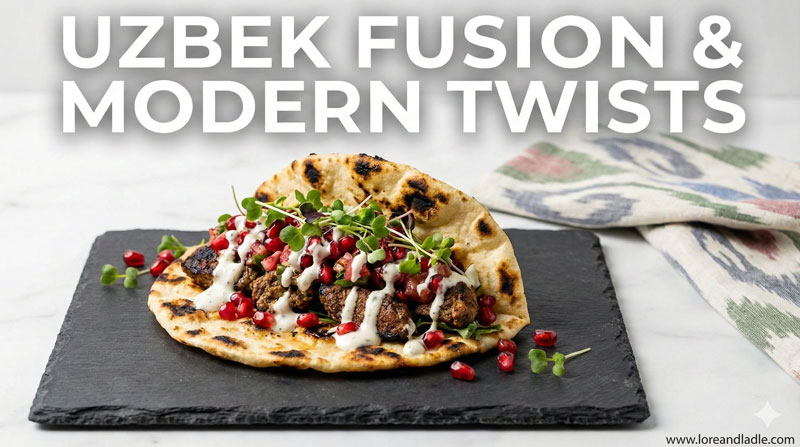
Traditional Somsa – Uzbekistani Fusion & Modern Twists Flavor You’ll Love
Traditional Somsa celebrates a pastry that travels from cozy home ovens to lively markets, from family tables to friendly gatherings. This dish carries the warmth of hospitality and the pride of craft. In Uzbek kitchens, somsa is more than a snack; it is a welcoming gesture and a shared moment during meals. The dough, the fillings, and the careful shaping tell a story of skill, seasonality, and community.
Cultural Roots and Hospitality
Somsa reflects seasonal ingredients and time‑honored methods. Families pass down secrets in quiet kitchen corners and in the bustle of markets. Each region adds its own touch to the dough and the filling. The result is a single pastry that tastes like home, wherever you enjoy it. First, the dough rests and firms up. Next, skilled hands shape the dough into tight pockets or triangles. Finally, the hot oven seals the experience with a crisp crust and fragrant steam.
The Craft: Dough, Fillings, and Technique
The dough blends flour, water, salt, and a hint of oil. It is kneaded until smooth and allowed to rest. Then it is rolled into paper-thin sheets. Fillings vary, but the classic mix is minced meat with onion and fresh herbs. Some versions add garlic, cilantro, or dill for brightness. Others feature pumpkin, potato, or squash for sweetness and texture. Each filling is balanced with salt and spices to achieve harmony. The pastry is folded and pinched to seal, then baked in a tandyr or a hot oven until the crust is crisp and golden. The result is a pastry with airiness inside and a satisfying bite outside.
Fusion within Tradition: Modern Twists
Modern twists honor tradition while inviting new flavors. Cheeses melt with the meat for a creamy contrast. Mushrooms, spinach, and peppers appear in vegetarian or mixed fillings. Some cooks layer two fillings for depth, while others tease extra aroma with sesame seeds or cumin sprinkled on top. The kitchen remains faithful to the idea of somsa, yet the flavors speak to contemporary palates. This fusion makes somsa accessible at Family Dinners and in urban cafés alike, while preserving the dish’s essential identity.
Regional Variations and Shared Table Traditions
From Samarkand to Tashkent, somsa carries regional pride. Each city adapts the dough thickness and spice balance to its local tastes. Lamb rules in many traditional versions, while beef and vegetable fillings are beloved in others. The shape and size can vary, but the spirit stays the same: a communal food shared among kin and friends. In festive moments, a large tray of hot somsa becomes a focal point of conversation, tea, and smiles. The act of cutting and passing pieces around the table reinforces hospitality and connection.
Serving, Presentation, and Seasonal Moments
Somsa is best enjoyed hot and fresh. It arrives on a wooden tray or cloth, inviting hands to break pieces and savor aroma and steam. It pairs beautifully with strong tea and a light yogurt sauce or chutney. In markets, somsa is a daily joy, a quick bite that also feels ceremonial when shared with loved ones. at Home, guests are offered a piece first, a gesture that honors generosity and good company. The presentation emphasizes warmth, balance, and a sense of welcome.
Skill, Education, and the Living Craft
The craft of somsa travels with careful practice. Aspiring cooks learn to rest the dough, roll it evenly, and seal the edges with precise pinching. They learn to temper fillings and to bake at the right moment for crisp crust and juicy centers. Small, deliberate steps keep the tradition alive while inviting personal expression. Families, cooking schools, and market vendors all contribute to passing on the technique to new generations. In this way, somsa remains a living art, not a museum piece.
Final Reflections: Flavor, Culture, and Connection
Traditional Somsa embodies the beauty of Uzbek food culture. The fusion and modern twists honor the past while inviting fresh, vibrant flavors. In every bite, you taste hospitality, careful technique, and shared joy. The dish stands as a generous bridge between generations and cuisines. It invites experimentation with respect and curiosity, yet always centers on the simple delight of a well-made pastry shared at a table. This is why somsa holds a cherished place in Uzbek culinary life: it is food that connects people, stories, and seasons through with warmth and taste.