
Introducing the Dish: “Best Taiwanese Restaurant Favorites Dishes That Are Trending Right Now”
This title names a joyful, living collection. It signals a moment when Taiwan’s restaurants showcase beloved flavors in new ways. The goal is to celebrate cultural value and culinary craft. The dishes in this collection speak with clear voices: familiar, welcoming, and full of craft. They invite all readers to savor Taiwan’s care for ingredients, technique, and shared meals.
The cultural loop of flavor and function
These dishes carry meaning beyond the plate. They link markets, family recipes, and restaurant kitchens. They evolve with seasonal produce and local suppliers, yet stay rooted in a spirit of hospitality. Each bite is a reminder that food is a daily ceremony—an act of gathering, conversation, and gratitude. The cuisine balances boldness and restraint, texture and aroma, social memory and fresh ideas. This balance is the heart of what makes the current favorites so resonant.
Lu Rou Fan (Braised Pork Rice): a bowl of memory and warmth
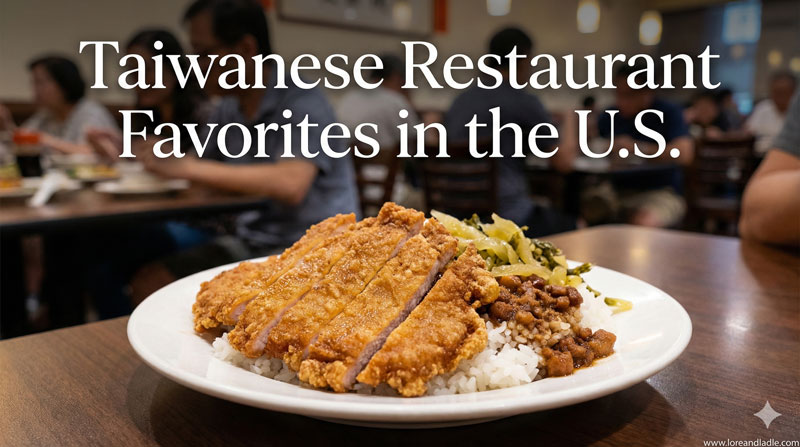
Lu Rou Fan is more than pork and rice. It is a ritual of slow braising, where pork belly becomes tender and deeply savory. The sauce glows with soy, star anise, and a touch of sweetness. Served over plain steamed rice, it invites conversation and time at the table. In restaurants, cooks honor family methods while refining the sauce for modern palates. The dish shows how humble ingredients can sing when crafted with patience. It embodies generosity: a single bowl can feed a crowd and still feel intimate.
Beef Noodle Soup: a broth that carries the land
Beef Noodle Soup centers a rich, aromatic broth, simmered until layers of flavor emerge. The beef remains tender, the noodles are springy, and pickled greens add brightness. Cooks bring a deft touch to balancing salt, sweetness, and spice. The long, careful simmering connects kitchen to kitchen across generations, while new chefs layer contemporary touches—lighter broths, slighly different spice blends, or denser textures. The result is a dish that travels well from a street stall to a refined dining room, yet always preserves its identity as a communal dish meant to be shared and savored.
Gua Bao: a soft, multi-textured celebration
Gua Bao, the steamed bun sandwich, is a study in contrast. A pillowy bun holds tender braised pork, crushed peanuts, cilantro, pickled mustard greens, and a bright splash of sauce. The assembly invites assembly-line creativity in a way that remains harmonious. The dish celebrates texture—the softness of the bun with the crunch of peanuts, the chew of meat, the crunch of fresh greens. In restaurants, chefs experiment with fillings and toppings, but the core experience stays rooted in balance and harmony. Gua Bao shows how a single concept can evolve while still feeling quintessentially Taiwanese.
Oyster Omelette: coast and market in one sizzling pan
The Oyster Omelette blends sea freshness with starchiness and eggs. Fresh oysters crackle in a hot pan, joined by a light batter or starch slurry and eggs. The result is a crisp edge with a soft, creamy center. A finishing sauce—with a touch of sweetness and acidity—ties the dish together. Across Taiwan’s coast and inland cities, cooks honor seasonal seafood and the craft of quick, high-heat cooking. The dish celebrates locality—shorelines, markets, and the quick pace of open-air stalls—while appealing to restaurant guests who seek a comforting, bright, and savory bite.
Taiwanese Fried Chicken (Yan Su Ji): crisp, bold, and shareable
Taiwanese fried chicken is a favorite for gatherings and casual meals. Pieces are marinated in a fragrant blend, then fried to a crackling crust. Inside, meat remains juicy and well seasoned. The spice notes often include pepper, five-spice, garlic, and a whisper of sweetness. The dish thrives on the ritual of sharing—large baskets passed around, friends digging in between conversations. In restaurants, the chicken adapts to different settings, from casual bites to paired courses with dipping sauces and fresh herbs. Its popularity underscores Taiwan’s love of bold, comforting flavors that are both approachable and expressive.
Mango shaved ice and other sweet finales: a bright close
Desserts in this lineup often finish with mango shaved ice or other layered treats. A bright fruit syrup, milk, and shaved ice create a refreshing contrast to the savory courses. These sweets are a reminder of Taiwan’s respect for balance—cooling, light, and naturally sweet. They invite lingering at the table, conversation, and shared laughter after a meal. Desserts in this tradition are not merely afterthoughts; they reinforce the entire dining experience as a circular, satisfying ritual.
The beauty of craft and connection
What makes these favorites compelling is how they blend technique with warmth. The cooks’ skill is evident in every bite—how braising dissolves fat into flavor, how bone and meat release depth into broth, how batter forms a perfect crisp. Yet the human touch remains essential: the instinct to season just so, to adjust a pinch of sugar, to balance acidity, to respond to a guest’s preference. The result is cuisine that feels alive, inclusive, and expressive of daily life. It is no wonder these dishes trend in restaurants: they deliver both comfort and discovery in generous measure.
A culture of hospitality on a plate
Taiwan’s dining culture prizes hospitality, place, and shared pleasure. The dishes in this collection reflect a culture that values variety, texture, and the joy of tasting together. Each plate invites eye contact, conversation, and a sense of belonging. In restaurants, these dishes become connectors—linking chefs to diners, markets to kitchens, and generations of cooks to new talent. The ongoing popularity of these favorites signals a living tradition that invites everyone to participate, learn, and celebrate.
Final note: savor, reflect, repeat
The dish framed as “Best Taiwanese Restaurant Favorites Dishes That Are Trending Right Now” is really a window into Taiwan’s culinary soul. It shows how a nation’s food can stay intimate and personal while embracing innovation. It highlights how ingredients, technique, and shared meals sustain a culture’s vitality. As you explore these flavors, you’ll discover not just taste, but a way of gathering—one that honors the past, welcomes the present, and invites the future to the table.