
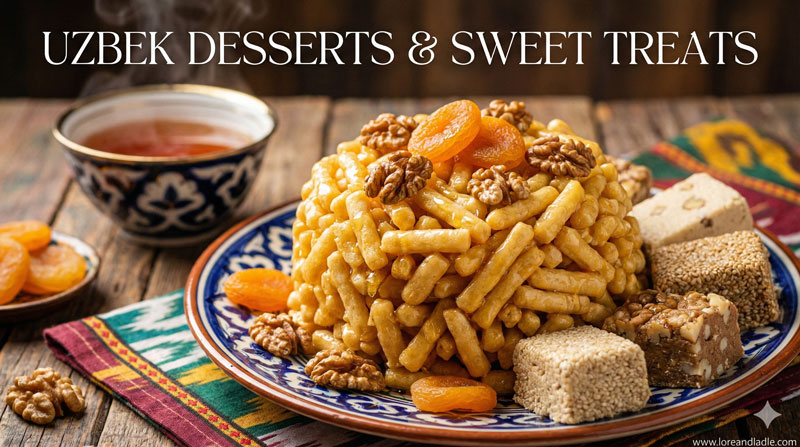
Introduction to Top Tukhum Barak
Top Tukhum Barak – Uzbekistani Desserts & Sweet Treats Flavor You’ll Love invites readers into a kitchen where warmth, artistry, and everyday joy come together. This dish is more than a dessert; it is a window into Uzbek hospitality and family life. Each bite carries a memory of shared kitchens, bright conversations, and the careful handwork that passes from grandmothers to daughters and sons. The flavor is delicate yet confident, blending sweet and softly nutty notes with a touch of warmth from spices. In Uzbek culture, desserts often mark moments of connection, and Top Tukhum Barak shines as a beloved centerpiece for tea, celebrations, and quiet afternoons. By exploring its texture, aroma, and technique, we glimpse the craft and care that shape so many regional sweets across the country.
The Craft Behind the Dish
Top Tukhum Barak rests on a sturdy yet supple dough, rolled thin to cradle a fragrant filling. The dough is made with flour, eggs, a pinch of salt, and just enough water to coax a smooth, elastic texture. It rests briefly, then is rolled and cut into small rounds. The filling blends chopped nuts—often walnuts or pistachios—with a kiss of sugar, dried fruit, and a whisper of cardamom or cinnamon. Each pastry is sealed with a gentle pinch, like a tiny handmade package. These morsels are then fried to a light gold, or sometimes baked for a crisper finish. Finally, they speak through a simple syrup glaze or a drizzle of honey, allowing the flavors to harmonize without overpowering the pastry. The result is a balanced bite that lingers on the palate.
Cultural Significance in Uzbek Cuisine
In Uzbek culinary culture, pastries like Top Tukhum Barak symbolize generosity and the pleasure of sharing. Families prepare them for tea time, when conversations drift from daily tasks to stories of family milestones and upcoming gatherings. The dish embodies a philosophy of craft and patience: dough is rested, fillings are measured with careful hands, and each pastry is treated with respect. The act of preparing and presenting these sweets strengthens social bonds, turning a simple dessert into a moment of communal joy. Across Uzbek homes, the scent of fried dough and nutty filling signals welcome and an invitation to sit, sip tea, and savor. The dish also reflects the region’s pantry treasure chest—nuts, dried fruits, and fragrant spices—that give depth without heaviness. In this way, Top Tukhum Barak is a small ambassador of Uzbek flavor and hospitality.
Regional Variations and Flavor Notes
Uzbekistan’s vast landscapes flavor Top Tukhum Barak with delightful nuance. in the valley towns, you may find a touch of vanilla or citrus zest that brightens the filling. In the southern regions, cardamom and sesame seeds add a nutty, aromatic finish. Some kitchens favor a crisper dough for a delicate crackle when bitten, while others prefer a softer bite with a richer filling. Seasonal ingredients also shape the pastry: roasted walnuts in autumn, almonds with a hint of dried apricot in spring. This flexibility keeps the dish fresh and accessible, allowing cooks to honor family traditions while adapting to local tastes. Such variations remind us that Uzbek desserts are living art, evolving with the hands that shape them and the markets that supply their ingredients.
Serving Traditions and Presentation
Top Tukhum Barak welcomes tea time with charm. Serve a warm plate of several pastries on a low, decorative tray, paired with hot black tea or mint tea. A mint sprig or a light dusting of powdered sugar can accent the presentation without masking the pastry’s aroma. In many households, these treats are offered to guests as a gesture of friendship and warmth. They also appear on festive platters during special occasions, where their compact size invites a quick, cheerful bite between conversations. The visual appeal—golden pastry, visible nuts, and a glisten from syrup—enhances the sensory experience, inviting guests to savor both texture and aroma.
Tips for Home Cooks
- Dough care: Knead until smooth and let it rest. Resting relaxes gluten and makes rolling easier.
- Filling balance: Chop nuts finely but not into powder. The texture should be noticeable yet cohesive.
- Seal well: Pinch edges firmly so the filling stays inside during frying or baking.
- Frying vs. baking: Fry for a traditional, richer flavor and crisper exterior; bake for a lighter finish.
- Syrup finishing: Warm a light sugar syrup or honey and brush sparingly to avoid oversaturation.
- Fresh flavors: Add a whisper of citrus zest or a pinch of cardamom for a bright, uplifting note.
- Storage: Keep in an airtight container; reheat gently to restore warmth and aroma.
A Bite of Uzbek Cultural Flavor
Top Tukhum Barak reveals more than sweetness; it reveals a cultural flavor of care, craft, and connection. Its preparation honors hands that teach and traditions that endure. The dish invites both cooks and eaters to slow down, appreciate texture, and celebrate simple moments of sharing. As you enjoy it, you participate in a long line of bakers, family kitchens, and friends who have kept this sweet treasure alive. Whether enjoyed after a busy day or shared during a festive tea-time, it offers a small, fragrant celebration of Uzbek culinary artistry.
Conclusion
In the end, Top Tukhum Barak – Uzbekistani Desserts & Sweet Treats Flavor You’ll Love stands as a flavorful bridge between daily life and special moments. It embodies hospitality, skill, and the quiet joy of giving pleasure through food. By savoring its texture, aroma, and regional nuances, you gain a deeper appreciation for Uzbek dessert traditions. This dish invites you to slow down, connect with loved ones, and celebrate a culture where sweets are more than taste—they are a warm invitation to share life’s small, meaningful pleasures.