
Introduction to a beloved dish
Udang goreng tepung is a bright thread in Indonesian dining. It pairs the crisp, light batter with juicy shrimp and a harmony of aromatics. When you bring this dish home, you invite a small celebration of Indonesian flavors to your table. The dish speaks to balance, texture, and a respectful approach to shared meals. This post explores its cultural value and culinary significance, while offering an approachable way to enjoy it with a nod to tempeh and tofu variations.
Cultural significance of Udang Goreng Tepung
In Indonesian food culture, street stalls, home kitchens, and family gatherings all savor fried bites like udang goreng tepung. The recipe embodies the region’s love of fresh seafood, simple yet bright seasonings, and the joy of sharing a plate with friends and family. The batter captures a moment of culinary craft: a crisp shell that protects a tender shrimp inside, releasing aroma as it hot-fries. The dish often appears alongside rice, sambal, and fresh vegetables, creating a complete, satisfying meal. It invites conversations, smiles, and a sense of place, reminding cooks and diners of everyday hospitality and the beauty of well-balanced flavors.
The culinary language behind the dish
What makes udang goreng tepung distinctive is its texture and aroma. A light batter—usually a mix of flour, sometimes rice flour for extra crispness, plus a touch of cornstarch—lets the shrimp shine. Aromatics such as garlic, shallot, white pepper, and a hint of salt bring depth without overpowering the shrimp’s sweetness. Some cooks add a whisper of turmeric for color or paprika for a gentle warm glow. The frying technique matters: oil hot enough to set a crisp shell quickly, but not so hot that the interior dries out. The result is a bite that crackles, then reveals succulent seafood and bright seasoning. This balance mirrors the Indonesian culinary aim to elevate fresh ingredients with thoughtful technique and respectful spice.
Tempeh and tofu creations: a respectful plant-forward idea
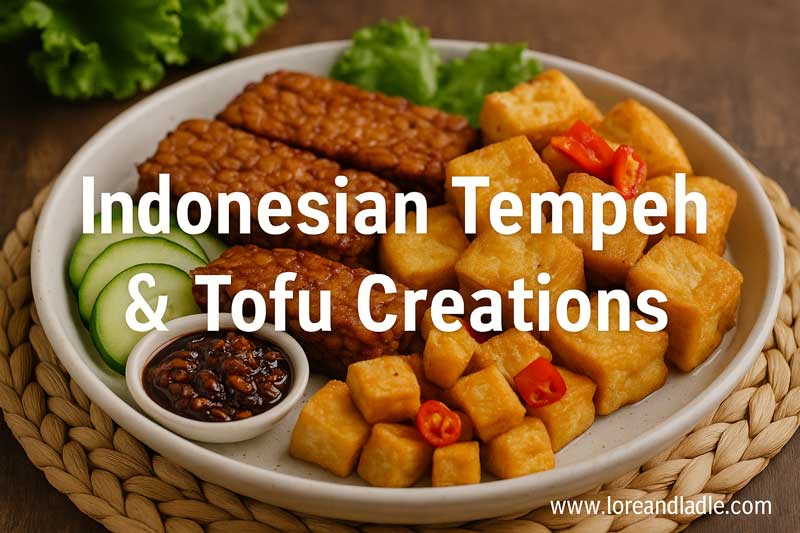
Indonesian cooking often celebrates plant-based versatility, and udang goreng tepung can inspire a gentle, vegetarian interpretation. Tempeh and tofu absorb flavors beautifully, offering a way to share the same crisp, fragrant batter with a broader table. For tempeh and tofu versions, the pieces are marinated briefly in a light mix of garlic, shallot, salt, and a touch of pepper or turmeric. Then they are coated in the same batter that gives shrimp its charm. The result honors the idea of regional abundance—celebrating soy-based proteins alongside seafood, and inviting those who prefer plant-forward meals to participate in the same sensory experience. This adaptation emphasizes inclusivity in Indonesian dining while preserving the dish’s lively texture and aromatic profile.
How to make authentic Udang Goreng Tepung at home
- Gather ingredients: fresh shrimp, a light batter (flour, optional rice flour, cornstarch, salt, garlic, shallot, white pepper), and neutral oil for frying. For a plant-forward version, prepare tempeh or tofu and a similar batter.
- Prepare the shrimp: rinse and pat dry. Leaving the shells on or removing them is optional; many cooks prefer a quick peel, with a bit of the tail left for grip.
- Mix the batter: combine the dry ingredients, then add minced garlic and shallots for aroma. A touch of turmeric or paprika adds color and warmth.
- Dredge and coat: dip each shrimp (or tempeh/tofu slice) into the batter, ensuring an even, light coat.
- Fry to gold: heat oil to a medium-high temperature. Fry in batches until the coating is crisp and golden. Remove and drain on paper towels.
- Serve with brightness: add a lime wedge and a simple chili sauce or sambal for dipping. A small side of fresh vegetables or pickles complements the dish beautifully.
Serving ideas and pairings
Udang goreng tepung shines beside plain steamed rice or coconut rice. A crisp cucumber salad or fresh herbs can brighten the plate. For dipping, a mild chili sauce or a citrusy sambal enhances the dish without overpowering the shrimp’s sweetness. If you’re enjoying the tempeh or tofu version, pair it with the same sides to keep the meal cohesive. The plate becomes a micro-celebration of Indonesian flavor profiles: sweet, salty, umami, and a touch of heat, all in balanced harmony.
Tips to maintain crispness and flavor
- Dry the shrimp or tofu/tempeh well before battering to help the coating cling.
- Use a light batter with a small amount of cornstarch for extra crisp.
- Maintain oil temperature consistently to avoid greasy results.
- Serve promptly after frying to preserve peak crunch.
- If desired, finish with a light sprinkle of salt or a squeeze of lime to refresh the flavors at the table.
A respectful, inviting culinary experience
The dish invites a gentle exploration of Indonesian cooking—a celebration of texture, aroma, and balance. By preparing udang goreng tepung at Home, you participate in a culinary tradition that values fresh ingredients, careful technique, and the joy of sharing. The tempeh and tofu variations extend this tradition in welcoming ways, allowing more cooks to experience the dish’s bright, comforting qualities. Whether you’re cooking for a weeknight family meal or a weekend gathering, this dish offers a memorable glimpse into Indonesian food culture and its enduring love of flavor, texture, and communal eating.
Closing thoughts
Udang goreng tepung stands as a beautiful example of Indonesian culinary artistry. Its crisp shell, juicy inside, and fragrant seasoning embody a harmony that many cooks chase. Embracing the tempeh and tofu twists expands that harmony to appreciate plant-based options without losing the dish’s essence. In every bite, there is a story of ingredients meeting technique, of shared meals, and of a kitchen that honors both tradition and creativity. Enjoy the dish with care, and let its flavors carry you to the heart of Indonesian dining.