
A Gentle Introduction to Simple Non Bread
Simple Non Bread, a staple in Uzbek kitchens, is more than food. It is a daily embrace that welcomes everyone to the table. This soft, round bread is naturally vegetarian and vegan, made with simple ingredients and timeless care. The aroma alone signals hospitality. You will taste a sense of place in every bite. The dish shines not only for its flavor but for its quiet dignity in daily life.
The Cultural Value of Bread in Uzbek Hospitality
In Uzbekistan, bread is a cherished gift from the earth. It travels from the oven to the plate with respect, and sharing it is a sign of welcome. Non is often the first offering to guests. It frames conversations and builds trust at the table. The round shape evokes unity, continuity, and balance. When families gather, a loaf or two of non appears at the center. It binds generations, from grandparents to young cooks learning the craft. This bread carries memory and meaning, making Simple Non Bread a vessel for culture as well as calories.
Ingredients and the Art of Simple Dough
The beauty of Simple Non Bread lies in its restraint. The dough becomes quite expressive with few components: flour, water, salt, and a gentle rise. Some cooks add a touch of yeast, which creates a light, airy crumb. Others opt for a quick, yeast-free method that yields a denser texture and a chewy crust. Both approaches honor tradition while inviting modern kitchens to participate. Optional sesame or nigella seeds add fragrance and a hint of texture without overpowering the clean, wheat-forward taste. Kneading by hand connects the cook to generations of bakers, turning routine into ritual. Resting the dough, shaping that familiar circle, and baking in a hot oven are acts of quiet care.
From Oven to Table: Texture, Aroma, and Flavor
Simple Non Bread delights with a balanced texture. The crust crisps softly, while the interior remains tender and even airy. The loaf carries a gentle sweetness from the natural fermentation and the warm, toasty aroma that fills the room. The flavor stays clean and comforting—wheat notes, a whisper of salt, and a comforting resilience that pairs well with vegetables, legumes, and simple salads. This bread shines in its simplicity, yet it is deeply satisfying when torn with hands and shared at the table. It invites you to slow down, savor the aroma, and notice how a few ingredients can carry such cultural weight.
Pairings and Vegetarian Harmony
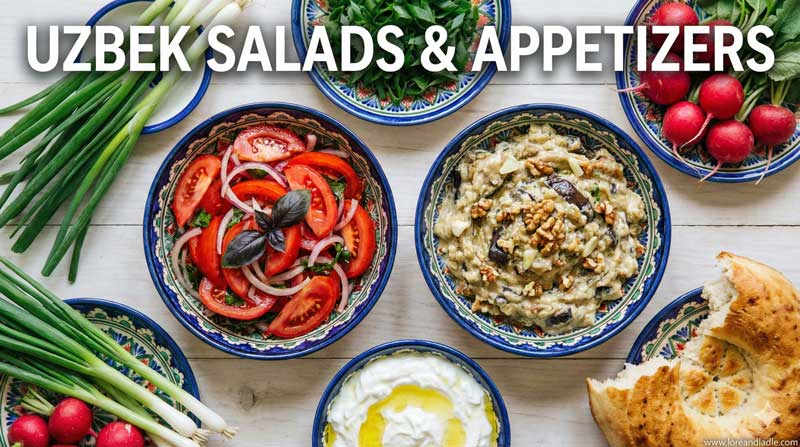
Pair Simple Non Bread with a spectrum of Uzbek vegetarian and Vegan Dishes. It complements pilaf made with carrots, onions, and tender vegetables, soaking up savory juices without losing its own character. It also goes beautifully with bean dishes, tomato-based stews, and fresh herb salads. A cup of green tea or a light, dairy-free yogurt dip can elevate the meal, highlighting the bread’s gentle flavors. The harmony of textures—soft bread, crisp vegetables, and bright herbs—creates a satisfying plate that respects plant-powered cuisine while preserving regional taste.
Serving, Sharing, and Rituals
Serving bread is an invitation to care. In Uzbek dining, the host offers a piece of warm non to each guest, then asks for reciprocity through kindness and conversation. Break the bread by hand rather than cutting it with a knife, creating a moment of connection. The bread is never rushed; it rests at the center while conversations unfold. Sharing Simple Non Bread becomes an act of generosity, turning a meal into a shared memory. The ritual teaches gratitude, attention to guests, and the joy of cooking as a communal art.
Embracing the Simple Non Bread Today
Today, Simple Non Bread fits easily into modern kitchens while honoring its roots. Home bakers can keep the process approachable by focusing on the feel of the dough and the warmth of the oven. Cooks can add small touches like sesame seeds or poppy seeds to reflect personal taste, always staying true to the bread’s humble essence. This dish remains a versatile canvas for plant-based meals, a bridge between everyday nourishment and cultural appreciation.
If you seek a dish that celebrates hospitality, texture, and timeless techniques, Simple Non Bread invites you to explore Uzbek vegetarian and vegan flavors with grace. It is a quiet ambassador of culture, a testament to how a single loaf can carry history, warmth, and nourishment for all who gather around the table.