
Discover Plov – Uzbekistani Salads & Appetizers Flavor You’ll Love
This dish is a doorway into Uzbek kitchen culture. It combines simple ingredients with careful technique to create a memorable, comforting flavor. in the aroma of toasted onions, sweet carrots, and meat, you hear a story of families gathering, markets filled with fresh produce, and seasons turning with the year. This blog highlights the cultural value and culinary significance of Discover Plov – Uzbekistani Salads & Appetizers Flavor You’ll Love, inviting you to taste a tradition that homeowners and cooks cherish across Uzbekistan.
The Cultural Pulse Behind Plov
Plov sits at the heart of Uzbek hospitality. It is more than a meal; it is a ritual of welcome, conversation, and shared time. In homes and at local gatherings, a pot of plov signals that guests are honored and meals will be hearty and comforting. The dish mirrors a community’s rhythms: harvest time, family reunions, and festive days when relatives travel to be together. The preparation often becomes a casual ceremony, where stories are told, hands move with practiced ease, and the kitchen fills with a warm, inviting scent. This enduring presence in everyday life makes plov a touchstone of Uzbek culinary identity.
The pairing of plov with salads and small appetizers strengthens the sense of balance in a meal. Cool, crisp salads offer contrast to the warm, savory heart of the dish. Herbs, tomatoes, cucumbers, and onions provide freshness that brightens the plate. In this way, Discover Plov becomes not only a main course but a centerpiece for social time and shared culture.
Core Flavors and the Craft
Plov is built on a few honest ingredients, prepared with care. The base often includes long-grain rice, meat (commonly lamb or beef), onions, and carrots. Each component plays a purposeful role:
- Onions form the flavor foundation, releasing sweetness as they caramelize in oil.
- Carrots add a gentle sweetness and color, sliced into thin batons to release their aroma as they warm.
- Meat provides savor and depth, cooked until tender and infused with the spices.
- Spices like cumin and coriander bring warmth and earthiness, while garlic can add a subtle pungency.
Rice is treated with respect. It should be rinsed and rinsed again, then cooked so the grains stay separate rather than clumping together. The technique matters: onions are softened first, carrots go in to release their sugars, and meat is added to develop richness. Water or broth is added just so the grains can steam to their fluffy, separate state. The result is a layered harmony where each bite offers a balance of savory meat, sweet vegetables, and fragrant rice.
This dish also celebrates regional flavor ideas. Some cooks add barberries for a tart sparkle, while others favor a touch of dried fruit to bring sweetness that echoes the season. Each choice reflects a local palate and a family tradition, making Discover Plov a canvas for regional taste without losing its core identity.
Regional Voices: How Plov Finds Its Voice Across Uzbekistan
Across Uzbekistan, plov takes on small, distinctive notes that reflect local markets, soils, and hands that pass down recipes. In Samarkand, the toast of onions and the warmth of cumin may lead to a slightly sweeter edge, thanks to careful ingredient choices and a slower simmer. In Tashkent, cooks might emphasize clean, precise cuts and a balanced vegetable profile to let the rice shine. Bukhara’s version can carry a deeper aroma from longer caramelization of onions, creating a more velvety finish. In landscapes like the Fergana Valley, sweeter carrots and a gentle, fragrant spice blend can stand out, echoing the valley’s famous fresh produce.
What remains constant is the beauty of a dish made to bring people together. The variations celebrate local gardens and markets, and they showcase how a single method can adapt while preserving core technique and meaning. This shared thread helps Discover Plov feel both timeless and refreshingly alive, a dish that travels well within family kitchens and celebratory tables alike.
The Salads and Appetizers That Complement Plov
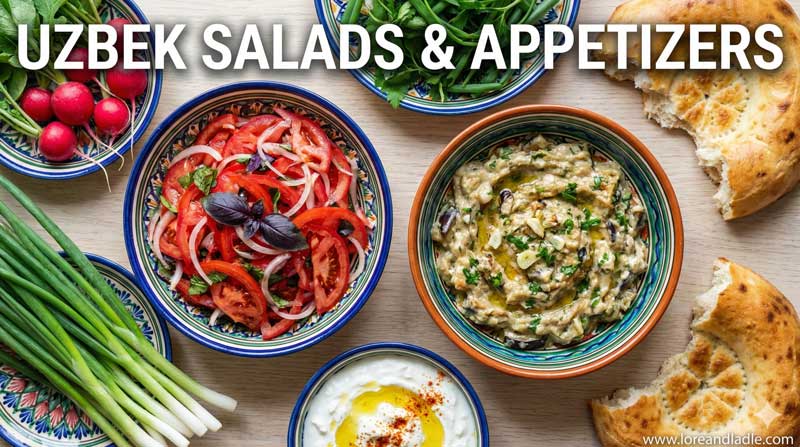
A well-composed Uzbek meal features crisp salads and small bites that refresh the palate between hearty spoonfuls. The salads are bright, often featuring tomatoes, cucumbers, onions, herbs, and a light dressing. They provide a cool counterpoint to the warmth of the plov, helping balance richness with freshness. A cucumber-dill salad, a tomato-onion mix, and herb-forward greens are common companions that highlight the season’s produce.
Appetizers, when offered, tend toward small, flavorful bites that awaken the appetite without overpowering the main dish. Think bite-sized vegetable skewers, lightly salted or seasoned with herbs, or a simple platter of olives and pickles. These lighter items honor the meal’s pace, giving guests room to converse and enjoy the progression from starter to main.
The harmony between plov and these salads and appetizers is deliberate. The salads lift the flavors with crisp textures and herbal brightness, while the main dish provides warmth, depth, and heartiness. This balance reflects a culinary philosophy that values variety, texture, and a sense of welcome at the table.
Tools, Techniques, and the Home Kitchen
The crafting of plov is as much about process as it is about ingredients. A traditional kazan (a wide, heavy cooking pot) or a large sturdy pan supports even heat and helps with the layering technique. The steps typically follow a clear sequence:
- Toast spices in oil to awaken their aroma.
- Sauté onions until golden and sweet.
- Add carrots and cook until they soften and glaze slightly.
- Introduce meat and simmer until flavorful and tender.
- Layer parboiled rice over the meat and vegetables.
- Add just enough water or broth to simmer, then reduce heat and let the grains steam to a fluffy finish.
- Let the dish rest briefly before serving to allow flavors to mingle.
During this process, steady hands and patient timing matter. The best plov demonstrates discipline: not rushing the steps, watching the moisture level, and permitting the aroma to guide the finish. The result is a dish with a glossy surface, each grain separate and ready to hold its own flavor while sharing space with meat and vegetables.
Serving, Etiquette, and Shared Moments
In Uzbek culture, food is an invitation to share. Plov is commonly served in a large communal dish so everyone can help themselves and talk as they eat. A piece of bread on the side carries symbolic warmth and hospitality, and tea commonly accompanies the meal, inviting slow conversation. Serving plov with attention to portions reinforces the sense of care and belonging at the table.
When seated with family or guests, the act of passing dishes and sharing bites becomes a gentle ritual. The pace is relaxed, giving room for stories, laughter, and appreciation of the meal’s flavors. This approach underscores the idea that food is a social craft as well as nourishment.
Getting It Right at Home: Tips for a Plov-Ready Table
If you want to recreate Discover Plov at Home, keep these practical notes in mind:
- Use a sturdy pot and maintain steady heat to prevent scorching and to promote even cooking.
- Rinse rice thoroughly until the water runs clear to keep grains separate.
- Toast spices ahead of time to bloom their aroma, then add them back into the dish as you begin the onion stage.
- Keep the carrot pieces uniform for even cooking; this helps the dish cook evenly.
- Let the dish rest briefly after cooking to let flavors settle.
- Pair with a bright tomato-onion salad or a cucumber-dill option to balance richness.
- Serve portions generously, inviting conversation and shared enjoyment.
These small steps help you capture the essence of Uzbek Cooking in a home kitchen, letting Discover Plov shine as a centerpiece of hospitality.
A Closing Note: The Flavor You’ll Love
Discover Plov – Uzbekistani Salads & Appetizers Flavor You’ll Love brings together thoughtful technique, regional nuance, and the warm spirit of Uzbek meals. It invites you to taste a cuisine that honors simple ingredients, careful preparation, and the joy of gathering. Through its layered flavors, textures, and accompanying salads, the dish offers a delightful portal into Uzbek cultural artistry. Whether you are new to plov or revisiting this beloved dish, you will find in it a respectful, inviting flavor and a sense of home that transcends generations. Enjoy the experience, and savor the harmony of culture and cuisine that makes this dish a timeless favorite.