
A Warm Introduction to a Beloved Classic
This piece celebrates a dish with a vibrant voice in Malaysian cooking: Better-Than-Takeout Vegan Nasi Lemak You Can Make in Your Own Kitchen. It honors how a simple plate becomes a shared moment, how fragrance and texture tell a story, and how plant-based choices can honor tradition. The dish is more than a recipe; it is a doorway into everyday culture, a reminder that home kitchens can reflect enduring flavors with fresh, compassionate twists.
The Core of Nasi Lemak: Aromas, Textures, and Comfort
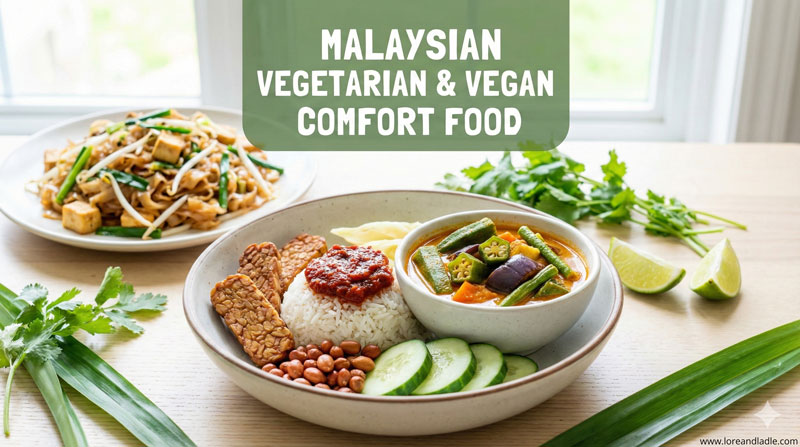
Nasi lemak centers on coconut rice that glows with richness. The rice carries a gentle sweetness, a whisper of pandan, and a silky mouthfeel from coconut milk. Around that foundation, sambal adds heat, brightness, and depth. Crunchy peanuts, crisp fried toppings, cool cucumber slices, and a savory, satisfying lauk complete the plate. The combination creates a balance of creamy, spicy, salty, and fresh notes that many families return to again and again. In the vegan version, plant-based proteins and vegetables join the chorus without losing the dish’s signature harmony.
Cultural Value: Shared Meals and Everyday Rituals
The dish is a familiar morning ritual and a late-afternoon treat alike. Families gather around the table to savor the same aromatic rice, the same fiery sambal, and the same moments of quiet enjoyment between bites. Its popularity across homes and stalls shows how a single meal can bridge everyday life and more special occasions. Better-Than-Takeout Vegan Nasi Lemak You Can Make in Your Own Kitchen keeps that spirit alive, inviting cooks of all kinds to participate in a beloved tradition with inclusive, accessible ingredients.
Culinary Significance: Techniques that Define a Dish
Coconut rice requires careful preparation: the rice absorbs coconut milk and water to create a fragrant, moist profile. The sambal is a study in balance—chilies, garlic, shallots, and a touch of sweetness come together to produce warmth without overwhelming brightness. Toppings bring texture: peanuts for crunch, crisp onions or fried shallots for aroma, and fresh cucumber for a cool counterpoint. The vegan adaptation preserves these technique through plant-based substitutions, proving how core methods—infusing rice with fat, building a layered sauce, and coordinating textures—shape a dish that remains unmistakably nasi lemak.
Embracing Plant-Based Traditions: The Vegan Adaptation
Dietary choices are evolving, and Home Cooks seek dishes that honor flavor while aligning with values. The vegan version of this dish answers that desire with both respect and creativity. Tempeh or tofu provides protein and bite, while roasted vegetables or plant-based protein options offer texture contrasts. The vegan sambal remains the heart of the dish, built from chili, garlic, shallot, and a touch of sweetness and acidity. By keeping the essential flavor profile intact, the dish remains recognizably nasi lemak while inviting new textures and plant-based richness to the table.
Key Elements of Better-Than-Takeout Vegan Nasi Lemak
- Coconut rice: fragrant, creamy, and tender.
- Vegan sambal: spicy, aromatic, and balanced with sweetness.
- Plant-based lauk: crisp-fried tofu or tempeh, or other flavorful options.
- Fresh accompaniments: cucumber slices and toasted peanuts for crunch.
- Optional toppings: vegan fried onions and other plant-based garnishes to echo tradition.
These components come together in a plate that feels both familiar and fresh, celebrating cultural roots and modern kitchens alike.
Making It Your Own: A Home Kitchen Masterpiece
In a home kitchen, this dish becomes a platform for personal touch. You can adjust the heat level of the sambal, tailor the protein to your pantry, and choose vegetables that suit the season. Plating offers another area for expression: a neat stack of coconut rice, a generous spoon of sambal, and a colorful array of toppings create an inviting presentation. The act of cooking and sharing reinforces a sense of belonging, a quiet pride in meals prepared with care, and a meaningful link between tradition and contemporary cooking.
Regional Voices and Personal Stories
Across regions, nasi lemak shows subtle personality differences, from the heat of the sambal to the choice of side items. In homes, families add personal touches—family Recipes for sambal, preferred proteins, or unique garnishes—that reflect local flavors and daily life. These variations demonstrate how a single dish can weave together community memory with individual creativity, making each preparation a chapter in a larger culinary narrative.
Looking Ahead: The Future of Nasi Lemak in Homes
As more cooks explore plant-based options, nasi lemak remains a steady, comforting anchor. The Better-Than-Takeout version in particular invites experimentation while preserving core flavors. It supports home cooks who want to celebrate cultural taste with modern dietary choices, encouraging everyday meals that feel celebratory and comforting at once.
In Closing
Better-Than-Takeout Vegan Nasi Lemak You Can Make in Your Own Kitchen stands as a testament to the beauty of a traditional dish adapted with care for contemporary dining. It highlights how fragrant rice, bold sambal, and thoughtful toppings can come together in a harmony that feels both timeless and fresh. By honoring cultural value and culinary significance, this dish invites everyone to savor a beloved classic in a kitchen that is welcoming, inclusive, and delicious.