
A Friendly Invitation to A Beloved Kitchen Favorite
The dish “Weeknight-Friendly Copycat Nasi Lemak From Your Favorite Spot Ready in Under an Hour” is more than a quick meal. It is a gentle door into a warm kitchen culture where scent, texture, and color tell a story. This dish brings the signature balance of coconut aroma, gentle heat, and bright freshness into a weeknight routine. It invites cooks of all levels to honor a favorite spot while crafting a personal version at Home. In short, it celebrates everyday cooking as a shared ritual.
Core ingredients, shared memories
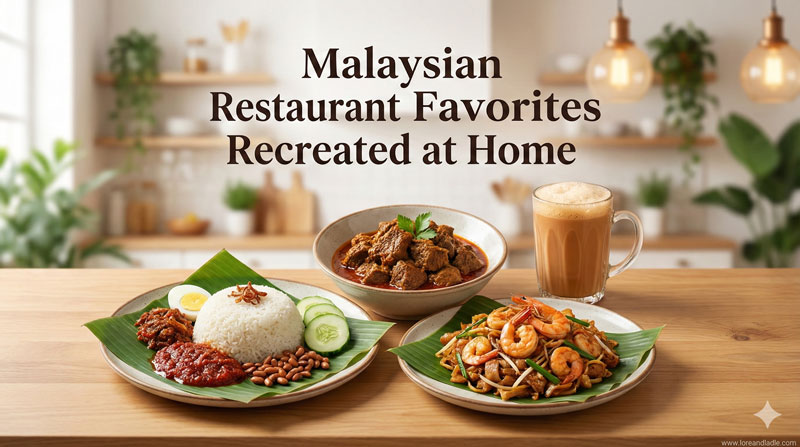
Nasi Lemak centers on fragrant coconut rice, sambal, and a handful of toppings like crispy peanuts, ikan bilis (fried anchovies), cucumber slices, and a comforting egg. Each component carries cultural memory in the aroma and texture it creates. Coconut milk lends creaminess and softness; pandan leaves or a hint of ginger add depth. The sambal brings a lively kick, and the toppings provide crunchy contrast. Together, these parts form a simple yet expressive plate that reminds many of family kitchens, street stalls, and late-night feeds after a long day. The dish is approachable, yet rich with regional flavor that invites personal interpretation.
The heart of the dish: coconut rice and sambal
Coconut rice is more than a side; it is a fragrant base for the entire plate. The gentle sweetness from coconut, the softness of well-cooked grains, and a touch of salt bind the flavors. Sambal acts as the heartbeat, a bright, warming sauce that can lean sweet, sour, or fiery depending on the region and family style. Crafting a calm yet lively sambal becomes an art, inviting careful balance rather than overpowering heat. When these two elements meet, the plate invites slow enjoyment, spoon by spoon, bite by bite.
Texture as a language: creamy rice, crisp toppings, fresh bite
The beauty of this dish lies in texture. Creamy coconut rice meets the crisp-edged ikan bilis and roasted peanuts. The cucumber adds a cool, fresh snap, and the egg offers a mellow, comforting foil. This contrast makes every mouthful interesting, guiding the palate from smooth to crunch to brightness. A good balance honors the integrity of each component, letting the rice’s softness shine without losing the lively edge of the sambal and the satisfying crunch of the toppings.
Where the dish shines: homes and hawker stalls
Nasi Lemak has a universal charm in homes, markets, and hawker centers. It appears in bustling stalls and quiet kitchen corners alike, always signaling care and hospitality. In homes, family members often adjust the sambal’s heat to suit the crowd, turning a simple meal into a shared moment. In stalls, cooks practice a steady rhythm, layering aroma and texture with practiced ease. This versatility—across settings and moments—highlights its role as a staple that adapts to daily life while preserving a sense of tradition.
The copycat as cultural bridge, not mimicry
A weeknight-friendly copycat version carries respect for the original while welcoming home cooks to participate in the tradition. Using fresh ingredients, the dish becomes a faithful homage rather than a distant imitation. The aim is to capture the essence: the soft rice, the bright sambal, the crunch of toppings, and the comforting finish of a boiled or fried egg. In doing so, it becomes a bridge between favorite spots and home kitchens, allowing people to celebrate a beloved flavor wherever they are.
A simple ritual for busy evenings
This dish adapts to busy lives without sacrificing soul. The idea is to streamline the process while preserving the core experience. With a thoughtful plan, a satisfying plate can come together in under an hour. The result is not just dinner; it is a small ceremony that marks the end of a long day with warmth, color, and aroma. The routine becomes a moment of care—a way to honor a favorite spot while shaping a personal version that fits modern time.
In closing: the beauty of a shared plate
“Weeknight-Friendly Copycat Nasi Lemak From Your Favorite Spot Ready in Under an Hour” celebrates the artistry found in everyday cooking. It honors balance, texture, and aroma, and it invites cooks to participate in a living tradition. The dish stands as a reminder that culture often expresses itself most warmly through a plate shared with family and friends. In this simple, joyful preparation, we find a bridge between memory, place, and present moment.