
What Makes Authentic Pupusa Trucks So Special?
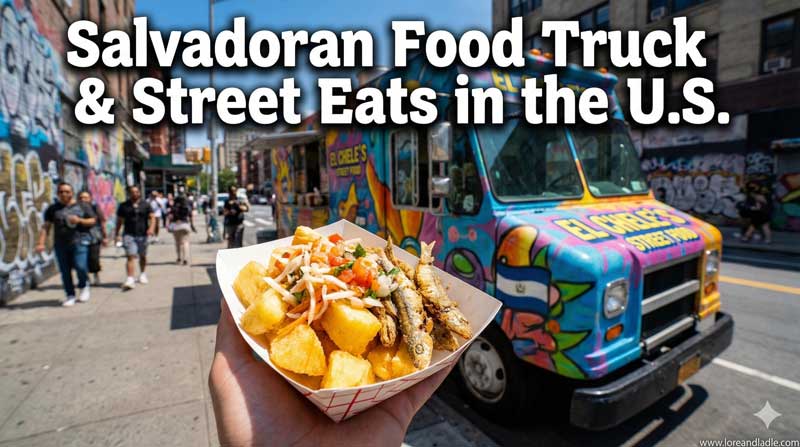
What makes authentic pupusa trucks popping up across U.S. neighborhoods so special? These mobile kitchens bring a warm, welcoming bite of El Salvador to street corners and neighborhoods far from the capital. They fuse skillful craft with accessible, everyday flavor. The result Is a dish that feels both intimate and inviting, a micro-celebration of shared meals. Watching the masa puff, seeing the fillings come together, and tasting the first bite creates a memorable moment of cultural appreciation and culinary joy.
The Pupusa: Core of Flavor and Craft
At the heart of every pupusa is the masa. It forms a soft, resilient disc that carries the filling and forgives a little in the pan. The masa is made from ground corn that has been nixtamalized, then mixed with water and salt. The dough is portioned, shaped, and pressed with care. The fillings vary, but they always speak to balance and comfort. Cheese, refried beans, and pork are classic, while loroco (a Salvadoran flower bud) or a blend called revuelta—cheese with beans and pork—offer deeper, savory notes. The magic happens on a hot comal or griddle, where the discs blister and set, edges crisp while the center stays tender. The pupusa’s beauty lies in its simplicity: humble ingredients, precise technique, and a result that can be enjoyed with a handful of friends in seconds.
Craft in Motion: The Truck Kitchen as a Cultural Stage
Pupusa trucks turn cooking into a live, shared experience. The cook’s hands work quickly, the masa shaping into perfect rounds, the fillings layered with care, the discs sealed and pressed to a uniform thickness. The aroma rises with steam and sizzling sounds. Curried notes of fried pork, the softness of cheese, and the bright scent of fresh curtido (a lightly fermented cabbage slaw) mingle in the air. The truck becomes a small stage where technique is on display and tradition is executed with modern rhythm. This mobility invites spontaneous tasting and conversation, turning a quick bite into a sociable moment.
Cultural Value in Everyday Life: A Table Without Walls
In the streets, pupusa trucks create opportunities to share a meal simply and joyfully. They invite people to slow down, choose fillings, and savor contrasts in texture and flavor. A warm pupusa paired with curtido and a tomato sauce offers a complete, satisfying experience. The act of eating together—passing warm rounds, offering a bite to a neighbor, exchanging smiles over steam and steam-softened masa—transforms a snack into a small ritual. This social rhythm makes pupusas more than food; they become a friendly, welcoming occasion that people anticipate.
Flavor Journeys: Filling Diversity and Shared Techniques
Authentic pupusas showcase a spectrum of fillings and regional styles, all grounded in the same technique. The most traditional fillings—queso (cheese), frijoles (beans), chicharrón (pork)—provide comforting, familiar flavors. Loroco adds a floral, earthy note that is distinctly Salvadoran. In many U.S. kitchens, cooks honor tradition while embracing local cheeses or beans, preserving the core technique while offering approachable versions for new palates. The result is a culinary bridge: a familiar bite that is also a doorway to a new tasting memory. The accompanying curtido adds brightness and crunch, balancing the richness of the filling with acidity and freshness.
Seasonal and Regional Variations: A Living Menu
Pupusa trucks often adapt with the seasons and neighborhood tastes. Seasonal herbs, local cheese varieties, and rotating fillings keep the experience fresh while respecting the method. Some trucks experiment with plant-based fillings, offering a different texture and flavor profile while preserving the crisp exterior and soft interior. The variations stay true to the dish’s essence: masa, fillings, and careful cooking on a hot surface. This flexibility sustains interest and invites curious eaters to explore multiple rounds.
A Culinary Bridge: Respectful Celebration of a City’s Food Scene
Across cities, authentic pupusa trucks enrich local food cultures by presenting a dish that is joyful to eat and generous in spirit. They encourage conversations about technique, ingredients, and flavor balance. The queuing, the quick exchanges at the window, and the shared plates reflect a universal appreciation for well-made street food. The experience honors tradition, while the trucks themselves adapt to newer urban spaces and diners who seek vibrant, honest flavors. In this way, pupusa trucks contribute to a lively, respectful food scene that celebrates craft, color, and community.
Conclusion: Savoring the Simple, Celebrating the Craft
The magic of authentic pupusa trucks lies in their ability to fuse a time-honored cooking method with the energy of street dining. They celebrate masa’s versatility, the care of fillings, and the bright lift of curtido and sauce. They invite you to pause, observe a small kitchen in motion, and enjoy a warm, satisfying bite. Whether you’re in a Salvadoran neighborhood or a U.S. city’s busy street corner, these trucks offer a welcoming taste of tradition, skill, and sharing. In every pupusa, you taste not just a dish, but a moment of culinary culture—crafted with care, offered with generosity, and enjoyed with friends old and new.