
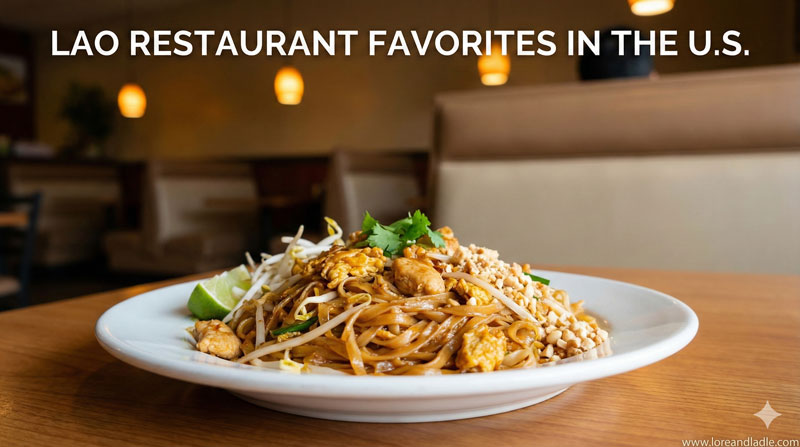
Introducing the dish: Best Lao Restaurant Favorites in the U.S. for Lao Food Beginners in the U.S.
This article presents a thoughtfully curated concept: a dish-like guide that showcases Lao restaurant favorites in the United States for newcomers to Lao cuisine. The goal is to illuminate cultural value and culinary significance, while inviting readers to explore flavors that celebrate balance, freshness, and communal enjoyment. The selections emphasize respect for ingredients, precise technique, and a warm, shared dining experience.
The cultural heartbeat of Lao cuisine
Lao food centers on hospitality and togetherness. In Lao meals, people gather around the table, share bowls, and pass dishes with care. The act of serving and portioning is as meaningful as the flavors themselves. Fresh herbs, bright citrus, and earthy staples come together to create a meal that feels bright, vital, and comforting at the same time. The cuisine values harmony: a careful balance of sour, spicy, salty, and herbal notes mirrors a desire for equilibrium in daily life. This philosophy shines in every bite, inviting beginners to listen to the kitchen as it speaks through aroma, texture, and color.
Core flavors and techniques that tell the Lao story
Key elements anchor Lao cooking. Sticky rice forms the heart of many meals, offering a gentle sweetness and a satisfying bite. Fresh herbs—mint, cilantro, and basil—provide cooling contrast to warm, spicy components. Lime juice and fish sauce contribute brightness and depth, while chili speaks with a clean, lingering heat. Fermented and fresh preparations sit beside each other, giving textures from crisp to silky to grainy.
A defining technique is the mortar-and-pestle method, which blends aromatics and seasonings with a light, rhythmic pounding. This technique releases oils and fragrance, shaping dishes with aromatic layers rather than overpowering heat. Pairings of sour and salty elements with herbal freshness create a bright, memorable profile that lingers in memory long after the meal ends.
A closer look at the favorites included in the collection
The Best Lao Restaurant Favorites in the U.S. for Lao Food Beginners in the U.S. centers on a few emblematic dishes that teach the language of Lao flavor. Here is a concise look at each, with notes on why it matters for cultural understanding and culinary craft:
- Sticky rice (khao niaw) and its companions
-
Foundation of the meal, this polished, pliable rice invites you to shape bites with your fingers and dip into accompaniments. Its texture and subtle sweetness offer a dependable stage for other flavors to shine.
-
Larb (laap) with herbs
-
A bright, savory salad of minced meat seasoned with lime juice, fish sauce, chilies, and herbs. The pounding and mixing release a bouquet of aromas, while the balance of tart, salty, and savory notes demonstrates Lao cuisine’s signature harmony.
-
Tam mak hoong (Lao papaya salad)
-
Crisp, tangy, and spicy, this dish relies on shredded green papaya, chilies, lime, palm sugar, and fish sauce. It showcases how tempers of sour and heat can co-exist with sweetness and crunch, creating a refreshingly vibrant experience.
-
Jeow dips (fermented or fresh chili and herb dips)
-
Jeow varieties accompany vegetables and rice, offering smoky, sour, or grassy notes. These dips illustrate the importance of dipping and scooping, turning simple vegetables into a tapestry of flavor. They also highlight how a single condiment can transform a plate.
-
Mok pa (steamed fish wrapped in banana leaf) or a similar fragrant fish preparation
-
Steaming preserves the delicate sweetness of fish while the banana leaf imparts aroma and moisture. This dish reveals how Lao cooks coax gentle seafood flavors into a comforting, aromatic form.
-
Grilled or roasted vegetables and protein cues
- Dishes that pair with sticky rice and dips show how flame and smoke enrich the meal. The charcoal aroma and caramelized edges carry depth that complements the bright acidity and herbal freshness elsewhere on the plate.
These selections illustrate a culinary language built on texture, aroma, and balance. For beginners, they offer a gentle yet engaging introduction to Lao flavors while highlighting cultural values of sharing, reciprocity, and appreciation for seasonal produce.
How to experience these dishes in the United States
Finding Lao flavors in the U.S. often means seeking out neighborhood eateries that celebrate Lao cooking with warmth and attention. When you visit:
- Start with sticky rice and a small assortment of dips. This helps you understand balance and texture before moving to more complex preparations.
- Sample larb or a herb-forward dish with a generous herb garnish. The citrusy brightness and savory depth reveal how Lao cuisine plays with contrasts.
- Share a papaya salad among companions. Its crisp texture and sharp flavors invite conversation about heat level and tanginess.
- Respect the heat. If you are new to Lao spice, ask for milder preparations or portions with gradual heat. The kitchen will guide you to a comfortable pace.
- Pair meals with fresh herbs at the table. Adding mint or cilantro to bites can transform flavors and illuminate the dish’s herbal backbone.
By approaching Lao food with curiosity and openness, beginners can learn the language of Lao cuisine through texture, aroma, and balance.
The social and ceremonial dimension of Lao meals
Food in Lao culture is more than sustenance; it is social glue. Meals connect families, friends, and neighbors. Sharing plates and passing bowls fosters conversation and warmth. The act of preparing, serving, and savoring together deepens a sense of community and belonging. This social rhythm is an essential part of the culinary experience, offering beginners a gateway into the cultural heart of Lao cooking.
Tips for beginners to appreciate Lao cuisine
- Focus on balance: notice how sour, spicy, salty, and herbal notes interact. The interplay is often more important than any single flavor.
- Observe textures: soft sticky rice meets crisp papaya salad or tender grilled fish. Texture helps define the overall experience.
- Listen to aroma: fragrances from herbs, lime, and fish sauce guide your expectations and enjoyment.
- Engage with the staff: ask about the origin of dishes, the role of herbs, and the best way to enjoy each plate. Friendly guidance can enhance understanding without changing the essence of the dish.
- Practice mindful sampling: take small bites, pause to savor, and then build your next bite with new components to notice how flavors evolve.
A respectful, inviting conclusion
The Best Lao Restaurant Favorites in the U.S. for Lao Food Beginners in the U.S. offers more than a menu path; it presents a doorway into a culture that prizes balance, hospitality, and community. Through sticky rice, larb, papaya salad, and comforting dips, readers can discover a culinary language that feels bright yet grounded. Each dish invites you to pause, savor, and share, turning a meal into a gentle celebration of flavor, texture, and connection. By exploring these favorites, beginners can appreciate the beauty and significance of Lao cuisine as a vibrant part of the U.S. dining landscape.