
Why this topic matters
Taiwanese street food thrives on vibrant contrasts: crisp textures, bright herbs, and deeply comforting broths. Food trucks and pop-up stalls bring these flavors to busy streets in the U.S., turning a quick bite into a moment of shared culture. The dishes celebrate craft, balance, and the joy of everyday cooking. This post highlights the cultural value and culinary significance behind a few standout ideas you can try when you spot a Taiwanese truck or pop-up.
Iconic dishes to seek at food trucks and pop-ups
-
Guā Bāo (pork belly bao)
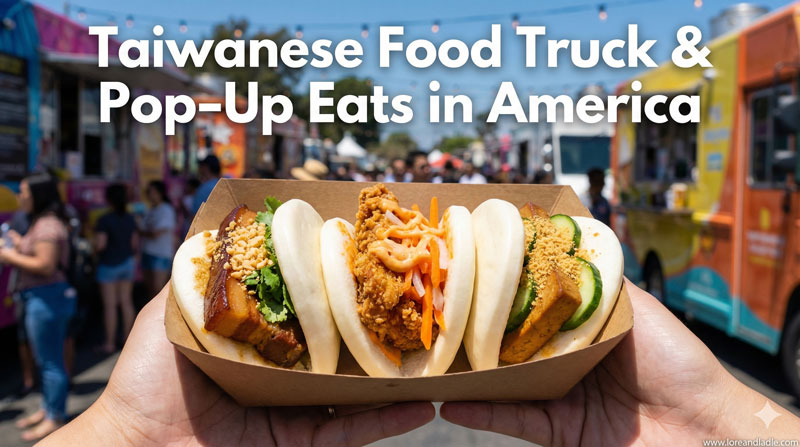
This fluffy steamed bun wraps braised pork, crushed peanuts, pickled mustard greens, and a dab of savory sauce. The technique blends tender filling with a pillowy bread, creating a bite that feels both homey and celebratory. It tells a story of street cooking that favors portable, flavorful bites. -
Taiwanese fried chicken (yan su ji)
A crowd favorite for its crisp, juicy meat and aromatic seasoning. A dusting of five-spice salt and pepper adds depth. The double-crisp or light-air fry methods reflect a focus on texture. This dish is a social, shared snack in many markets, inviting conversation with every fragrant bite. -
Beef noodle soup (niu rou mian)
A comforting bowl built on slow-simmered broth, tender beef, and chewy noodles. The broth carries aromatics like star anise and soy, delivering warmth and balance. It embodies patience and technique, turning simple ingredients into a nourishing highlight of the day. -
Oyster omelette (o-a tsian)
A savory pancake enriched with eggs, small oysters, and a starchy batter. It releases a gentle sweetness and a savory kiss from aromatics and herbs. The dish showcases how texture—from a soft interior to a lightly crisp edge—plays with sea-scented flavors. -
Scallion pancake with fillings (cong you bing)
A flexible flatbread that cooks quickly on a hot surface. When filled with egg, cheese, or other toppings, it becomes a mobile, shareable snack. This dish emphasizes versatility and the satisfying chew of thin, well-laminated dough. -
Bubble tea and tea-fortified drinks
A beloved beverage that pairs tea with chewy tapioca pearls and a touch of sweetness. It highlights Taiwan’s tea culture and the joy of playful texture. In a busy street setting, it offers a refreshing counterpoint to savory bites. -
Braised pork over rice (lu rou fan)
A simple, homestyle plate of slow-braised pork on white rice. The sauce clings to every grain, making each bite comforting and rich. It reflects everyday cuisine that remains deeply flavorful through careful braising. -
Shaved ice desserts (bao bing)
A cool finish with milk, fruit, syrup, and shaved ice. It celebrates lightness and brightness after savory courses. This dessert emphasizes balance—cold, sweet, and fresh flavors in a compact cup.
Craft and technique behind these dishes
Taiwanese street cooking blends precise technique with flexible improvisation. A few core practices shine in trucks and pop-ups:
-
Steaming and bun making
The guā bāo bun must be soft yet sturdy. Steaming time and dough texture determine how well fillings stay in place during eating on the go. -
Precise frying and seasoning
For fried chicken, the coating and marinade must stay crisp and flavorful as the meat rests. Five-spice salt, white pepper, and garlic powder create a fragrant crust without heaviness. -
Slow braising and broth building
Beef noodle broth builds depth through browning, aromatics, and careful simmering. The result is a clear, layered flavor that remains comforting in a busy setting. -
Batter structure and seafood handling
Oyster omelettes rely on a light batter that holds the oysters without becoming gummy. Timing and heat control bring together texture and sea-scented savor. -
Tea mastery and texture
Bubble tea hinges on tea strength, sweetness, and the chew of pearls. Vendors balance any added flavors with the base tea so that texture and aroma stay harmonious.
These techniques reveal how Taiwanese cooks translate home kitchen skills into street-ready formats. Each dish emphasizes balance, aroma, and a satisfying mouthfeel, making the experience both satisfying and memorable.
How to enjoy these dishes in a cultural context
-
Share and sample
Try a few items to experience contrast—the crispness of fried chicken with the softness of a guā bāo, for example. Sharing helps you explore a broader spectrum of flavors. -
Observe the craft
Notice how buns are steamed, how sauces are crafted, and how heat is managed on a compact stall. The care shows in every small detail. -
Appreciate the textures
Taiwanese street food often blends crisp, chewy, and tender elements. Recognizing these contrasts enhances your tasting experience. -
Respect the rhythm
Street vendors work quickly, but their methods are thoughtful. A little patience lets you savor each bite at its best.
Tips for choosing a vendor and enjoying the experience
-
Look for freshness
Fresh buns, crisp-fried coatings, and vibrant toppings signal quality. If the sauce looks glossy and the ingredients appear crisp, you’re in a good zone. -
Check for house sauces and bun quality
House-made sauces and steamed buns usually indicate a vendor who values craft. These elements often define the dish’s character. -
Ask about spice levels
Taiwanese flavors can range from mild to bold. A quick ask helps tailor the experience to your preference without changing the core taste. -
Appreciate the aromas
The aroma can guide you to the best choice when you stand in line. A strong, inviting scent usually reflects well-made dishes.
In closing
Taiwanese food trucks and pop-ups bring a vibrant slice of Taiwan’s culinary culture to the U.S. Each dish represents a story of craft, balance, and communal eating. By exploring guā bāo, Taiwanese fried chicken, beef noodle soup, oyster omelette, scallion pancakes, bubble tea, and other favorites, you experience a living tradition—bright, comforting, and endlessly shareable. When you see a stall, take the moment to savor the technique, taste, and social joy behind the food.