
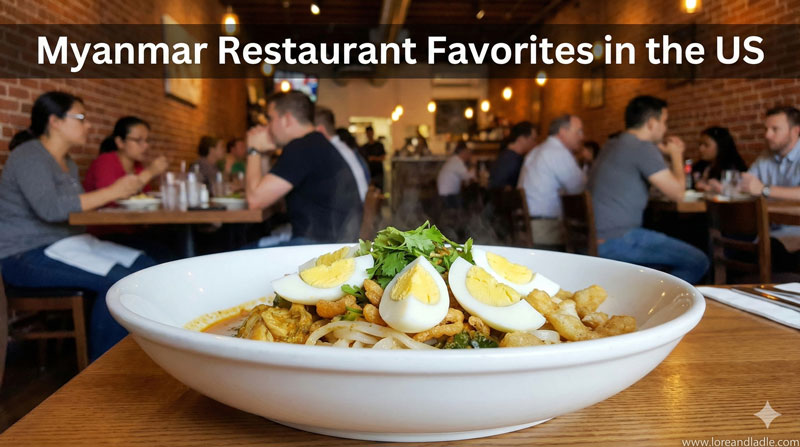
A Warm Welcome to Myanmar Restaurant Favorites at Home
If you love the vibrant flavors of Myanmar cuisine, you are about to embark on a friendly, delicious journey. This post offers a Beginner’s Roadmap to Cooking Myanmar Restaurant Favorites in the U.S. at Home. The goal is simple: bring the warmth, balance, and craft of Burmese dishes to your kitchen. You will discover how these meals reflect local markets, seasonal herbs, and the care people bring to every shared table. The experience blends aroma, texture, and bright contrasts, inviting you to taste more than a dish—you taste a culture.
The Flavor Palette that Defines Burmese Cooking
Myanmar cuisine centers on balance and harmony. Sweet, sour, salty, bitter, and umami meet in each bite. Aromatics and freshness matter just as much as depth and simmered sweetness. Expect tang from lime or tamarind, savor from fish pastes or fermented ingredients, and a gentle heat that warms the palate. Fresh herbs like cilantro, mint, and dill brighten bowls at the end. The result is a cuisine that feels both comforting and adventurous, with dishes that invite you to savor layers rather than a single note. This roadmap helps you recreate that nuanced profile in a home kitchen.
Core Ingredients That Sing in Burmese Cooking
Stock up on a few dependable ingredients to anchor your pantry. Fermented fish paste, or ngapi, brings depth to broths and stir-fries. Fish sauce also appears in many dishes for a bright, briny backbone. Lemongrass, garlic, and shallots form the aromatic base for many curries and soups. Tamarind or lime juice provides a welcome sour note, while palm sugar or light brown sugar adds gentle sweetness. Turmeric lends warmth and color. Leafy greens, cilantro, mint, and dill offer fresh counterpoints. Dried chilies and toasted sesame seeds add body and heat. With these building blocks, you can craft restaurant flavors right in your own kitchen.
Essential Techniques for Home Cooks
A few practical techniques help you reproduce Burmese favorites faithfully. Start with a well-balanced broth or curry base; simmer slowly to release depth. Toast spices to wake their aromas, then blend them gently with aromatics. Build flavors in layers: sauté onions and garlic, add lemongrass, then spices. Finish with fresh herbs just before serving to keep their brightness. For soups like a fish-based broth, skim foam and adjust sour, salty, and sweet balances at the end. For stir-fries, keep the heat steady for a quick, crisp texture. These small steps preserve the delicate harmony that makes Burmese dishes so inviting.
The Cultural Value: Hospitality, Shared Food, and Place at the Table
Food in Myanmar is a bridge between seasons, markets, and people. A meal is a moment to gather, reflect, and celebrate small joys. Dishes are designed for sharing, with family-style bowls and a rhythm of passing plates around the table. The culinary scene in Myanmar—whether at a bustling stall or a cozy restaurant—emphasizes generosity and attentiveness. When you cook these restaurant favorites at home, you honor a thread of everyday life that connects cooks, servers, and guests. You support neighbors and local markets by choosing seasonal produce and familiar ingredients. The result is not just tasty meals, but a sense of place and belonging around the table.
A Beginner’s Roadmap: Getting Started in Your Home Kitchen
- Choose 2–3 approachable favorites to begin. Mohinga, a fragrant fish-noodle soup, and a simple coconut-based curry are strong starting points.
- Build a pantry of core ingredients (ngapi or fish sauce, lemongrass, lime, tamarind, turmeric, palm sugar, fresh herbs).
- Plan a weekly cooking day. Prep aromatics in advance, so weeknight meals come together quickly.
- Seek accessible substitutes in local markets. Many Burmese flavors translate well with familiar ingredients found in the U.S.
- Practice balancing flavors. Taste early, then adjust lime, salt, or sugar to your preference.
- Document breakthroughs. Take notes on what you like and what needs a gentle tweak.
Serving, Savoring, and Sharing Burmese Flavors
Presentation matters as much as the taste. Serve in simple bowls that let the soup’s aroma rise with steam. Garnish with fresh herbs, lime wedges, and thin slices of shallot for crunch and brightness. Pair with warm, soft bread or steamed rice to anchor the meal. A light jasmine tea can cleanse the palate between bites. Sharing these meals with friends or family creates a moment of connection and appreciation for Burmese flavors.
Final Thoughts: Celebrating Burmese Cuisine at Home
The Beginner’s Roadmap to Cooking Myanmar Restaurant Favorites in the U.S. at Home invites you to explore a cuisine full of balance, color, and hospitality. Each dish offers a doorway to a rich culinary tradition that values fresh ingredients, careful technique, and communal enjoyment. As you cook, you’ll discover how the kitchen becomes a bridge to a culture that cherishes meals as a daily celebration. Welcome this journey with curiosity, patience, and joy, and you will find Myanmar flavors weaving into your home with warmth and grace.