
A Flavorful Introduction: Copycat Nasi Lemak and Its Growing Allure in the U.S.
Copycat Nasi Lemak From Your Favorite Spot That’s Winning Over Foodies Across the U.S. is more than a dish. It is a doorway to a shared table where aroma, texture, and balance are celebrated. In kitchens and eateries across the country, this dish is arriving with confidence and warmth. It invites eaters to slow down, savor, and reflect on how food can connect people through taste. The story here is not a single recipe, but a cultural moment: a beloved Southeast Asian classic making a bright, welcoming impression on American palates.
The Building Blocks: Core Elements and Their Cultural Roles
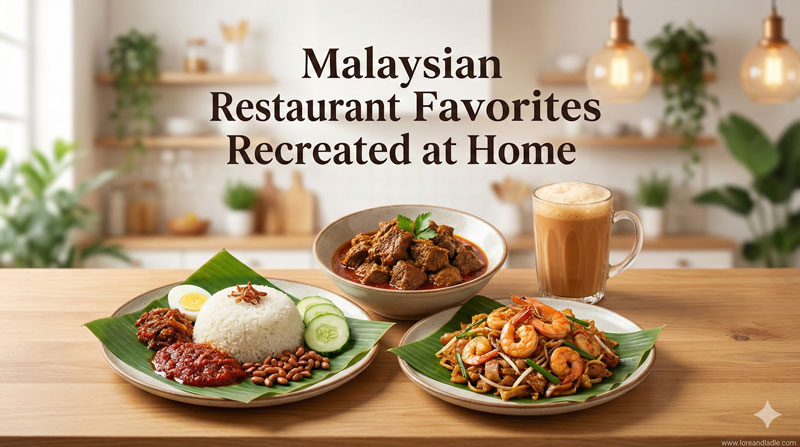
Nasi lemak centers on a few essential pieces, each carrying its own role in the meal’s identity. The coconut rice is the heart. It is fragrant, creamy, and slightly nutty, a comforting foundation that carries the dish forward. The sambal brings heat and brightness, a chili-laced paste that mingles sweetness, sourness, and spice in a single bite. Crispy ikan bilis—tiny fried anchovies—add a salty crunch that contrasts with the softness of the rice. A boiled egg provides a gentle richness and a simple, familiar element for balance. Slices of cucumber introduce coolness and freshness that cleanse the palate. Together, these components create a mosaic of textures and flavors. In many places, a serving plate or banana leaf helps the colors and scents come alive, inviting a shared, attentive dining moment.
The cultural beauty of nasi lemak lies in its harmony. Each element shines on its own, yet the dish truly sings when they come together. The creamy rice carries the memory of a comforting breakfast or a late-night snack. The sambal energizes the plate with warmth and depth. The crisp fish adds a playful bite. The egg and cucumber offer contrast that makes every mouthful feel complete. This balance is a direct expression of culinary craft: it rewards care, timing, and thoughtful seasoning. In the U.S., Home Cooks and chefs reproduce this balance while sometimes adapting the accompaniments to local markets, preserving the essence while inviting new textures and ingredients to join the chorus.
The Copycat Journey: How Chefs Translate Flavor with Respect
Copycat cooking honors the core idea of nasi lemak while making it approachable for Home kitchens and new audiences. First, the rice is prepared with coconut milk and a touch of pandan leaf or pandan essence. This creates a lush, aromatic base that remains tender rather than mushy. Next, the sambal is built with a slow simmer of chili, garlic, onions, and a hint of brightness from lime or tamarind. This step is not rushed; patience yields a vivid, layered heat that lingers. Then, the ikan bilis are fried until crisp, a small but crucial moment that delivers texture and a salty sparkle. Finally, the dish comes together with a gentle arrangement of sliced cucumber and a halved or quartered boiled egg, completing the plate.
In practice, cooks in the United States often adapt by using readily available ingredients while preserving the dish’s essential rhythm. The copycat approach emphasizes technique, not complication. It celebrates the sensory moment when the coconut notes rise from the rice, when the sambal’s heat ripples through the plate, and when the crisp fish punctuates a bite with a satisfying crack. The result is a faithful homage that remains approachable, inviting, and deeply respectful of the dish’s culinary roots. This careful balance—faithful core, thoughtful adaptation—embodies the art of translating flavor with care.
The Cultural Value: Shared Tables, Scent, and Culinary Heritage
Nasi lemak holds a prized place in social dining because it makes a gathering feel special, even in everyday meals. In many settings, the dish is more than sustenance; it is an invitation to pause, share, and enjoy. The moment the plate arrives, the room often fills with a warm fragrance that signals welcome. Friends and family gather, discuss flavors, and note how the same dish can speak differently to different palates. That social dimension—chef, cook, and guests united by aroma and texture—speaks to a culture of hospitality where food serves as a bridge between moments of daily life and the pleasure of celebration.
Across the United States, nasi lemak spots become little hubs of connection. In cities with diverse dining scenes, these plates become convenient introductions to Southeast Asian flavor. They also support a wider conversation about culinary identity: how a single dish can travel, be embraced, and become part of a local food culture without losing its own character. The beauty here is not novelty alone but the way a traditional flavor profile expands to participate in new kitchens and daily routines. The result is a richer, more varied food culture that welcomes curiosity and respect in equal measure.
The Culinary Significance: A Study in Balance and Texture
What makes nasi lemak particularly significant in culinary terms is its mastery of balance. The dish teaches a kitchen to harmonize fat, spice, salt, sweetness, and acidity in small, deliberate steps. The coconut rice provides body and aroma; the sambal introduces heat and brightness; the ikan bilis delivers crispness and ocean savor. The cucumber and egg bring cooling and creaminess, ensuring a complete cycle of sensations on the palate. This balance is a microcosm of thoughtful cooking: it rewards patience, attention to detail, and a clear sense of how each component supports the whole.
Culinarily, nasi lemak also demonstrates versatility. Chefs and home cooks can honor the dish’s core while exploring variations. A different protein—such as fried chicken or a chicken rendang—can be woven in without undermining the balance, showcasing how a single recipe can carry regional flavors while staying true to its essence. The sauce palette stays anchored by the sambal, which remains a constant thread of heat and brightness. In this way, nasi lemak becomes a living tradition: a recipe that honors its heritage while inviting contemporary interpretation.
A Note on Sourcing and Respectful Craft
As this dish becomes part of more tables, mindful sourcing supports a positive culinary cycle. Using coconut milk from responsible producers, choosing crisp ikan bilis, and selecting fresh vegetables keep the plate vibrant. Supporting local markets and reputable suppliers helps sustain the flavors that make nasi lemak special. The goal is to celebrate quality, seasonality, and care in every component. When cooks approach the dish with respect for ingredients and intention for shared joy, the result feels both authentic and welcoming.
The American Scene: A Movement in a Plate
Across the United States, nasi lemak is becoming a familiar, beloved option in a broader food landscape. It travels well from morning to night, fitting breakfast cravings and late-night cravings alike. The dish’s popularity often grows through stories of the first bite—how a fragrant plate sparked curiosity, how a friend’s recommendation turned a casual meal into a memorable experience. In urban neighborhoods and suburban kitchens alike, nasi lemaks serve as a culinary bridge: a way to explore Southeast Asian flavors without leaving the table of everyday dining. The outcome is a steady, bright presence in the country’s diverse food map.
Closing Thoughts: A Bright Plate for Shared Enjoyment
Copycat Nasi Lemak From Your Favorite Spot That’s Winning Over Foodies Across the U.S. celebrates more than taste. It honors a tradition of fragrant coconut rice, warm sambal, crisp fish, and playful textures that create a sense of belonging at the table. The dish invites curiosity, invites conversation, and invites cooks to practice mindful craft. It also offers a model for how traditional flavors can thrive in new kitchens while preserving the soul of the dish. In every bite, there is hospitality, balance, and a story of shared enjoyment. If you seek a plate that feels both comforting and adventurous, nasi lemak offers a welcoming, delicious path forward.