
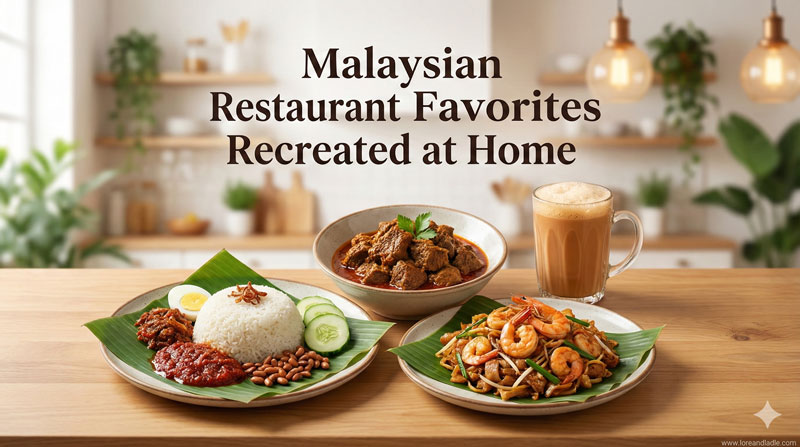
Introduction: Copycat Nasi Lemak From Your Favorite Spot
Nasi lemak is a beloved Malaysian comfort dish that invites a sense of home with every fragrant bite. The idea of a copycat version from your favorite stall or cafe speaks to the culture of sharing beloved flavors beyond a single place. This post celebrates the dish’s cultural value and culinary significance, inviting you to savor the balance of coconut rice, spicy sambal, and a careful harmony of sides. It is a dish that travels from street corners to family tables, always signaling warmth, welcome, and a moment to pause and enjoy.
The Heartbeat of Malaysian Cuisine
Nasi lemak sits at the heartbeat of Malaysian eating culture. It blends everyday practicality with festive aroma. First, the coconut-infused rice carries a gentle sweetness and a lush aroma that fills the room. Next, the sambal adds a bright, layered heat that wakes the senses and lingers. Meanwhile, the crisp elements—fried ikan bilis or peanuts, and sliced cucumber—offer crunch and freshness that balance richness. This combination makes nasi lemak more than a meal; it is a sensory memory that many Malaysians carry into their day. The dish travels across homes, hawker centers, and family gatherings, always adapting to personal tastes while keeping a shared core identity.
The Components and Their Significance
Nasi lemak centers on a few essential elements, each carrying meaning in the broader food culture:
- Coconut rice: Rice simmered with coconut milk and a hint of pandan, creating a fragrant, slightly sweet base.
- Sambal: A chili-based sauce with onions and garlic, sometimes a touch of shrimp paste, that brings heat, brightness, and depth.
- Crunch and contrast: Fried ikan bilis or roasted peanuts offer crunch and umami.
- Fresh counterpoints: Slices of cucumber and a hard-cooked egg provide balance and color.
- Optional stars: Fried chicken, rendang, or other accompaniments tailor the plate to personal preference.
These components illustrate how Malaysian cuisine thrives on contrast: soft rice and crisp toppings, richness and brightness, heat and relief. The dish’s flexibility mirrors home kitchens where cooks adapt to what’s available, always maintaining a core identity that is instantly recognizable.
A Copycat Approach: Honoring the Soul of the Dish
When you attempt a copycat nasi lemak from your favorite spot, the aim is to honor the soul of the dish rather than reproduce a literal exactness. Focus on three pillars:
- Fragrance: Use coconut milk in the rice and a hint of pandan or lemongrass to recreate the signature aroma that fills the stall space.
- Bright heat: Build a sambal that balances chili heat with sweetness and acidity, echoing the stall’s vibrant finish.
- Texture and balance: Pair creamy rice with crisp toppings and fresh vegetables to recreate the satisfying contrast.
In practice, you’ll want to start with the rice as the foundation, then craft a sambal that has a clean bite, followed by toppings that add crunch and color. This approach respects the dish’s essence while letting you put your own touch on the final plate. The result should feel like a familiar, comforting meal that still carries the stamp of the place you love.
The Social Spirit: Eating Nasi Lemak Together
Nasi lemak embodies social dining in Malaysia. It is common to share a plate with friends or family, savoring each component and exploring how the flavors interact. The dish is flexible enough for everyday breakfasts or hearty weekend meals, yet special enough to mark a celebration. In stalls and at tables, the act of gathering to enjoy nasi lemak builds a sense of community, memory-making, and comfort. The copycat version, when shared with loved ones, extends that social warmth beyond the original shop, turning a kitchen into a small cultural exchange.
Serving the Dish with Care
Presentation matters, especially when preserving the dish’s appeal. Serve nasi lemak with a neat arrangement of rice, sambal, and sides so the colors and textures invite closer tasting. A light drizzle of fragrant elements, like fried shallots or a crisp cucumber slice, can elevate the plate. If you have banana leaves or a simple plate, use them to frame the colors and aromas. The goal is to invite curiosity and warmth, encouraging everyone to take a first bite with an open heart.
Why This Malaysian Comfort Food Deserves Your Next Try
Copycat nasi lemak from your favorite spot is more than recreating a flavor; it’s a doorway to cultural appreciation. The dish reflects how Malaysian cuisine blends fragrant ingredients, thoughtful textures, and bold yet balanced flavors into everyday comfort. By exploring the dish at Home, you honor the place you love while inviting new family traditions to emerge around the table. It is a gentle invitation to slow down, notice the details, and celebrate the beauty of a well-loved dish.
Conclusion: A Gentle Invitation to Explore
If you are curious about Malaysian comfort food, nasi lemak offers a welcoming entry point. The copycat idea helps you connect with the soul of your favorite spot, while also creating space for your own memories to grow. With careful attention to fragrance, balance, and texture, you can bring the essence of this iconic dish into your kitchen. Enjoy the aroma, savor the contrasts, and share the experience with those you care about.