
How to Make Palov – Uzbekistani Fusion & Modern Twists Flavor You’ll Love
Palov, known also as plov, sits at the heart of Uzbek cuisine. This dish invites friends and family to gather, share stories, and savor a thoughtfully prepared meal. In this post, we celebrate its cultural value and culinary significance. We explore how Palov reflects hospitality, regional pride, and the joy of careful cooking. We also look at modern twists that honor tradition while inviting new flavors to the table.
Cultural Value: Palov as Hospitality and Heritage
Palov is more than a dish; it is a social ritual. When the pot simmers, conversations begin, and the kitchen becomes a warm hub of connection. The act of cooking and serving Palov is a welcomed gesture to guests, a sign of generosity, and a moment to celebrate togetherness. In Uzbek homes, Palov often marks milestones—family gatherings, holidays, and communal feasts. The shared pot on the stove becomes a symbol of trust, care, and communal joy. In this light, Palov is a living thread in the fabric of everyday culture, linking cooks of different ages through a common craft.
Roots and Traditions: A Dish Shaped by Place and Time
Palov has deep roots in Central Asia, where rice, meat, vegetables, and aromatic spices meet in a single pot. Across cities and villages, families adapt the recipe to local ingredients and seasonal flavors. The technique creates a rhythm: browning meat, softening onions, then layering sweet carrots and fragrant spices before the rice steams to completion. The result is a dish that carries memories of markets, farms, and fireside evenings. By honoring these traditional methods, cooks keep a connection to generations of cooks who perfected this balanced, comforting dish.
The Culinary Craft: Key Ingredients and Time-Honored Technique
A classic Palov hinges on a few honest ingredients and patient technique:
- Meat: Lamb or beef is common, chosen for its flavor and texture.
- Onions: They build a sweet, caramelized base.
- Carrots: Shredded or sliced, they release sweetness and color.
- Rice: Long-grain rice shines here, rinsed and rested to separate the grains.
- Fat: Neutral oil or clarified fat adds depth and helps bloom the flavors.
- Spices: Cumin, coriander, and black pepper lead the seasoning, with optional saffron or bay for aroma.
The cooking arc follows a simple, respectful sequence. Heat the fat and brown the meat to develop rich flavor. Add onions and let them soften. Stir in carrots to release sweetness. Then pour in water and bring the pot to a gentle simmer. The rice is rinsed, measured, and laid on top in a loose mound, not stirred in. The pot is covered, and heat is managed so the steam does the work. As the water absorbs, the grains plump and separate. The dish rests briefly after cooking, allowing the flavors to settle beautifully. The result is a skillet of savory aroma, with tender meat and fluffy rice.
Fusion Twists: Modern Flavors with Respect for Tradition
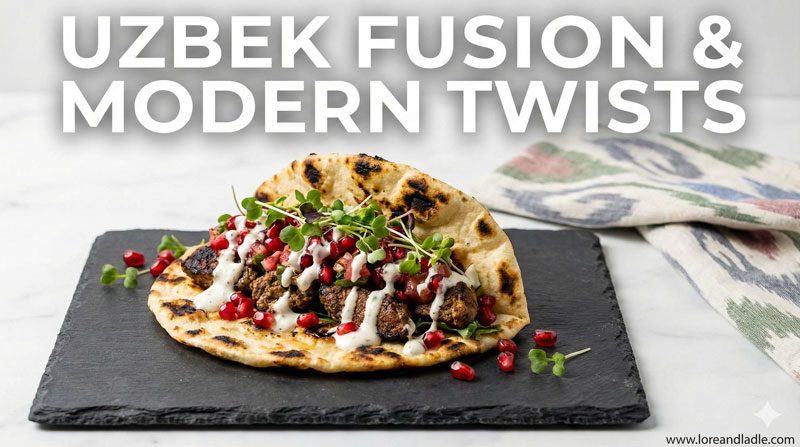
Modern cooks explore Palov with thoughtful twists that respect tradition while inviting new textures and tastes. Here are some approachable, well-balanced ideas:
- Meat choices: While lamb remains classic, chicken or a mix of meats can offer a lighter profile. Some cooks also experiment with duck for a richer depth.
- Vegetable accents: Sweet peppers, tomatoes, or zucchini can join the base, adding color and brightness without overpowering the core rice-meat balance.
- Fruit and sweetness: Dried apricots, raisins, or pomegranate seeds highlight a subtle sweetness that pairs well with the savoriness of meat and onion.
- Spice and aroma: Ground cumin and coriander stay central, while a touch of saffron or cardamom introduces an inviting fragrance.
- Oils and fats: A small amount of olive oil or clarified fat can influence texture and mouthfeel, making the dish feel lighter or richer depending on choice.
- Rice variations: Some modern versions experiment with different long-grain options or pre-soaked rice to achieve distinct textures, keeping the grains separate and tender.
- Garnishes: Fresh herbs, toasted nuts, or sesame seeds can offer a delicate crunch and aroma upon serving.
These twists are best used to complement the core Palov structure rather than replace it. The guiding aim is harmony: the original flavors should still lead, while the additions offer new notes that delight without confusing the palate.
Social Serving: Palov as a Shared Experience
In serving Palov, hospitality shines. The dish is often set on a large platter or shared tray, inviting everyone to take a portion that reflects generosity. Tea and bread accompany the meal, reinforcing the sense of welcome. The act of serving—carefully arranging the top layer, presenting the steaming pot, and inviting guests to taste—speaks to warmth and respect. Palov becomes a bridge between generations, where a grandmother’s technique meets a younger cook’s curiosity.
Regional Voices: Palov Across Uzbek Regions
Different Uzbek regions bring subtle variations to Palov. In some places, more carrots dominate the color and sweetness; in others, spices take a bolder role. The influence of local markets—where fresh produce and meat are abundant—shapes the dish’s character. Cities such as Samarkand, Bukhara, and Tashkent each contribute its own touch, yet the core remains Palov’s balanced harmony of meat, rice, and vegetables. This diversity enriches the dish and invites cooks to explore respectfully from one neighborhood to another.
Tips for Mastery: Practical Steps for a Classic Palov
- Choose a sturdy pot: A heavy-bottomed pan or a traditional kazan helps heat distribute evenly.
- Rinse and soak rice: Rinse until the water runs clear, then soak briefly to separate grains.
- Brown for depth: Proper browning of meat and onions builds the flavor foundation.
- Layer, don’t stir: Place the rice on top and let steam do the work; avoid stirring to keep grains distinct.
- Manage the steam: Keep a steady simmer, adjust heat as needed, and let the dish rest after cooking.
- Balance the salt: Taste as you go to avoid over-seasoning; the meat contributes much of the saltiness.
- Rest before serving: A short rest lets flavors meld and makes serving easier.
A Gentle Reflection: The Beauty of Palov in Food Culture
Palov embodies the beauty of culinary craft: simple ingredients treated with care create something greater than the sum of its parts. It invites curiosity, celebrates family rituals, and honors the artistry of traditional technique. At its best, Palov reflects patience, balance, and a shared joy in cooking. Modern twists show how a beloved dish can evolve while staying true to its core, offering new flavors that still feel deeply rooted in Uzbek culinary culture. By cooking Palov with attention and heart, you participate in a timeless practice of hospitality and community.
Conclusion: Welcome, and May Palov Inspire Your Table
If you seek a dish that respects tradition while inviting contemporary flavors, How to Make Palov – Uzbekistani Fusion & Modern Twists Flavor You’ll Love offers a welcoming guide. It invites you to honor a classic, explore creative variations, and share a meal that celebrates the warmth of togetherness. Palov invites conversation, appreciation for technique, and delight in flavors that honor a long-standing food culture. Try it, and let the aroma and texture tell the story of hospitality, craft, and communal joy.