
A Warm Welcome to Must-Try Manti
Must-Try Manti – Uzbekistani Rice & Pilaf Specialties Flavor You’ll Love is more than a dish. It Is a celebration of warmth, craft, and shared tables. In Uzbek kitchens, mantı (manti) invites neighbors and family to gather, to laugh, and to savor. The steam rising from a pot becomes a promise: hospitality is alive here. This dish blends simple ingredients into a moment of cultural flavor that feels both familiar and new with every bite.
A Window into Uzbek Culture: Manti’s Place at the Table
Manti holds a sacred place in Uzbek dining. It embodies generosity and patient hands at work. Families turn making mantı into a social ritual, a quiet dance of dough, filling, and folding. Guests are welcomed with steamy dumplings and a yogurt-based accompaniment. The ritual strengthens bonds and creates memories that travelers carry home. In this way, mantı serves as a living thread in the fabric of Uzbek cuisine and everyday life.
Craft and Cooking: How Manti Comes to Life
The journey begins with dough made from simple flour, water, and a pinch of salt. It rests briefly, then becomes sheets so thin you can almost see the light through them. A savory filling follows: tender minced meat paired with onions and a touch of salt and pepper. The folds are careful and precise, creating little parcels that stand up to the steam. A large pot or a dedicated mantı kazan steams them until the wrappers glow with tenderness. The result is dumplings that feel delicate yet sturdy, ready to cradle their flavorful centers.
A Flavor Dialogue: Filling, Sauce, and Spices
The magic lies in the balance. The meat brings depth, while onions add sweetness. Cumin, black pepper, and coriander whisper through the filling, giving a warm, aromatic backbone. After steaming, mantı often meet a cool counterpoint: a dollop of garlicky yogurt or a light garlic sauce that brightens each bite. Fresh herbs, like dill or mint, may finish the plate. The overall effect is a harmony of textures and aromas: soft wrappers, juicy centers, and a creamy, tangy finish that lingers pleasantly.
Plov, Manti, and the Shared Table
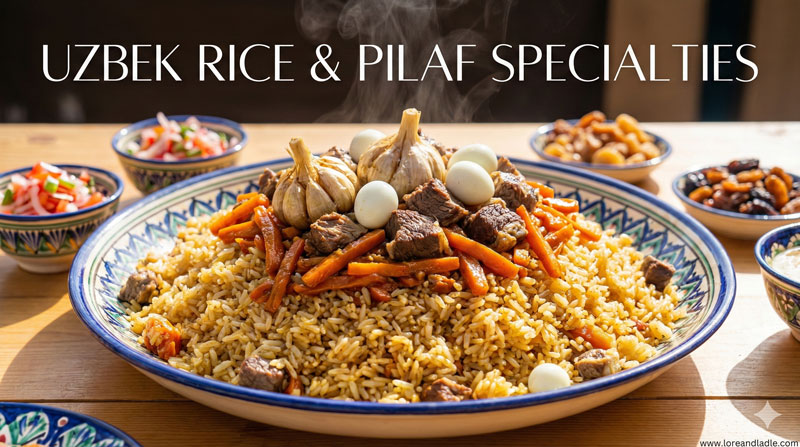
Uzbek cuisine often celebrates two cornerstones in one sitting: pilaf (plov) and mantı. Plov offers earthy rice goodness with carrots and spices, while mantı provides savory dumplings to round out the meal. The flavors relate through shared spice notes—cumin, coriander, and pepper—that appear in both dishes. Together, they create a complete dining experience that feels warm and complete. The pairing is a beloved pattern in festive meals and everyday feasts alike.
Regional Notes: Tashkent to Samarkand
Regional pride shows in mantı’s subtle variety. Some households favor slightly thicker wrappers; others prefer ultra-thin sheets that melt in the steam. Filling adaptations reflect local tastes—more onion in some areas, a touch of pepper or herbs in others. These variations celebrate the diversity of Uzbek cooking while keeping the shared essence: generous portions, careful technique, and an approachable, comforting flavor. The result is a menu of mantı that feels both familiar and delightfully new from one city to the next.
Celebrating Together: Rituals in Uzbek Homes
Preparing mantı is often a family affair. Parents guide younger hands in rolling, filling, and shaping. Siblings compete in friendly speed while a pot bubbles away. The act itself teaches patience, attention to detail, and pride in craft. When the steam rises, stories and laughter rise with it. Such moments reinforce a culture that values hospitality, reciprocity, and shared nourishment.
Pairing and Serving: The Experience of Taste
Serve mantı hot, with a cooling yogurt sauce nearby. A wedge of flatbread can accompany the dish, perfect for scooping up every last bit. A cup of tea pairs nicely with the meal, inviting conversations that stretch into the afternoon. The plating should feel generous, inviting guests to reach for another dumpling and to savor the evolving flavors of dough, filling, and sauce.
A Last Note on Cultural Value
Must-Try Manti embodies the beauty of Uzbek food culture. It teaches care in preparation, generosity in sharing, and joy in gatherings. The dish invites travelers to see how a simple dumpling can carry stories of family, region, and tradition. If you seek a culinary experience that honors heritage while delivering comforting flavor, this mantı will welcome you with open steam and a warm, lasting memory.