
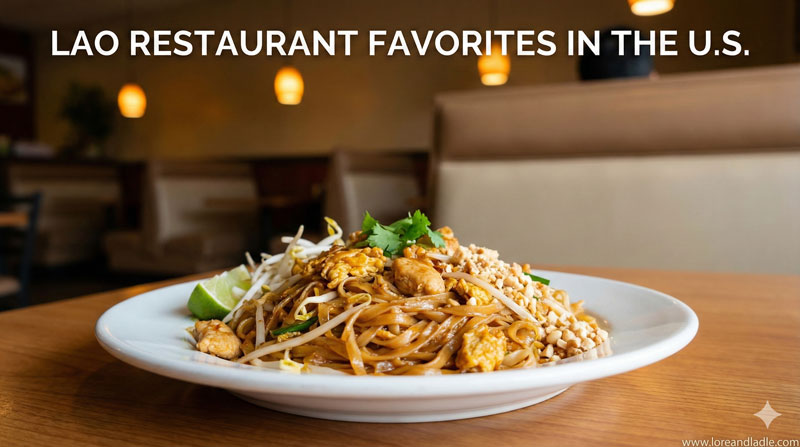
Welcome to the Quick Guide: Lao Favorites in the U.S. for Busy Home Cooks
This post introduces the dish you can call the Quick Guide to Lao Restaurant Favorites in the U.S. for Busy Home Cooks. It centers on cultural value and culinary significance. The goal is to celebrate flavor, technique, and the way Lao cooking nourishes gatherings and everyday meals. You will see how these dishes translate to a home kitchen without losing their essence. The guide speaks to calm, patient cooks who want depth of taste with practical steps.
The Core of Lao Flavor: Sticky Rice and Fresh Herbs
Sticky rice sits at the heart of Lao meals. It is more than a staple; it is a social thread. People gather around a shared basket, using small scoops with their fingers to pick up grains. The texture is chewy and slightly sweet, a perfect partner for bright sauces and herb-forward dishes. Fresh herbs lift every bite: mint, cilantro, dill, and scallions mingle with lime and fish sauce in bold, clean notes. In the U.S. dining scene, this core pairing appears in many Lao-inspired menus, where the rice helps balance hot chilies, sour lime, and savory fish sauce. For home cooks, keeping a small supply of sticky rice and herbs on hand makes quick meals feel rooted in Lao culture.
Larb: A Bright Signature of Balance and Freshness
Larb, or laap, is a leading Lao dish that showcases balance. Ground meat cooked quickly, then seasoned with lime juice, fish sauce, and roasted rice powder. Fresh herbs—mint, cilantro, and scallions—play a starring role. The dish is light yet lively, with heat, sourness, and a toasty aroma from the ground rice. Larb invites sharing: each person adds a spoonful to a bed of sticky rice and greens. This communal feeling is a window into Lao culinary thought, where harmony among ingredients mirrors balance in daily life. For the busy home cook, a skillet, a hot pan, and a few Pantry Staples deliver this bright, expressive dish in minutes.
Mok Pa and Gentle Grilled Delights
Mok Pa is a fragrant example of Lao technique. Fish is wrapped in banana leaves and gently steamed. The banana leaf infuses the fish with a soft, aromatic perfume. Inside, lemongrass, dill, garlic, and fresh herbs mingle with the fish’s delicate flesh. The result is tender, fragrant, and clean on the palate. Alongside mok pa, you often find grilled specials like sai oua (Lao sausage) or gai yang (grilled chicken). These grilled items showcase smoky notes, bright herbs, and a crisp finish. The cooking style values gentle heat and aromatic layering, a hallmark of Lao culinary craft that resonates with home cooks seeking depth without heaviness.
Tam Mak Ho: The Crisp, Bright Papaya Salad
Tam Mak Ho embodies Lao brightness in a single bowl. Shredded green papaya, long beans, tomatoes, and chilies come together with lime and fish sauce. A touch of palm sugar adds a soft sweetness that steadies the heat. Roasted ground rice adds a crunchy, nutty texture. The dish is tart, spicy, and refreshingly crisp. The balance of sour, salty, and sweet reflects Lao sensibility in everyday cooking. In the U.S., tam mak ho has become a favorite for lunch or light dinners, because it can be prepared quickly, travels well, and pairs beautifully with sticky rice and grilled proteins.
Sai Ouа and Gai Yang: Grilled Treasures for the Home Kitchen
Sai oua, Lao sausage, brings bright spice and herbal notes in every bite. It is usually made with pork fat, lemongrass, garlic, and cilantro seeds, then grilled to a crisp exterior. Gai yang, or grilled chicken, offers a lean protein with a smoky edge and herb perfume. Both dishes celebrate the outdoorsy joy of grilling and the way heat sharpens aromatics. They show how Lao cuisine honors the meat’s natural flavor while brightening it with herbs, lime, and fish sauce. For busy cooks, these grilled favorites are forgiving: marinate ahead, grill quickly, and serve with sticky rice and fresh herbs for a satisfying meal.
How the Menu Translates to a Busy U.S. Kitchen
Across Lao restaurant favorites in the United States, you find a shared logic: bold flavors, crisp textures, and balance. The dishes are designed to be both satisfying and expressive. In a time-crunched week, you can approximate these flavors with confidence. Start with sticky rice as a steady base. Add a bright larb or a crisp papaya salad for color and aroma. Pair with a simple grilled protein, and finish with fresh herbs for lift. The beauty lies in adaptability: many elements can be prepared ahead, then combined for a complete Lao-inspired meal in minutes.
Pairings, Portions, and Respectful Enjoyment
To honor the cultural value of Lao cooking, consider how portions and pairing create a shared table. Begin with small plates of larb or tam mak ho. Add sticky rice and a few herbs. Introduce a grilled item to introduce warmth and smoke. End with a fresh herb finish and a squeeze of lime. This sequence mirrors Lao dining practice, where flavors wake gradually and diners participate in the tasting. The aim is to celebrate balance, freshness, and hospitality in every bite.
Quick Shopping and Prep Tips for Busy Cooks
- Keep sticky rice or ready-to-cry notched rice in the pantry; it travels well and reheats gently.
- Stock lime juice, fish sauce, and dried chili flakes for quick flavor boosts.
- Have fresh herbs on hand: mint, cilantro, dill, and scallions lift many Lao dishes.
- Prepare a small batch of roasted rice powder (khao khou) to add texture to larb.
- Marinate proteins ahead of time (for 30 minutes to an hour) to speed up weeknight cooking.
- Use banana leaves or parchment for steaming or wrapping when making mok pa or similar dishes.
- Freeze portions of grilled meat for fast weeknight meals that still taste Lao-inspired.
A Welcoming, Cultural Perspective in Your Kitchen
The Quick Guide to Lao Restaurant Favorites in the U.S. for Busy Home Cooks invites you to see Lao cuisine not only as flavors on a plate but as a language of hospitality. Each dish is built on shared ingredients, careful technique, and a sense of balance that resonates with everyday life. Sticky rice anchors meals; larb lifts them with clarity; papaya salad adds brightness; mok pa and grilled proteins bring aroma and warmth. Together, they form a culinary tapestry that welcomes people to the table and invites them to savor the moment.
Closing: The Beauty of Lao Cuisine in Everyday Cooking
In a busy home kitchen, Lao flavors offer clarity and joy. You can honor the culture by approaching each recipe with patience, respect for balance, and a willingness to share. The dishes highlighted in this guide show how Lao cuisine weaves together texture, aroma, and freshness to create expressive, comforting meals. Embrace the ritual of serving, the pleasure of herb-forward brightness, and the satisfaction of a meal that feels both simple and meaningful. The Quick Guide is your invitation to cook with care, celebrate flavor, and connect with Lao culinary artistry in your daily life.