
Introduction: A Taste of Plov and Uzbek Hospitality
A Taste of Plov invites readers to feel the warm heartbeat of Uzbekistan through a single dish. Plov, known locally as osh, is more than a meal; it is an expression of care, sharing, and generous hospitality. The aroma, the careful layering of ingredients, and the care given to each serving reveal a culture that values family, friendship, and memorable gatherings. This dish offers a window into Uzbek culinary identity, where flavor, technique, and a sense of welcome come together in a single pot.
The Craft Behind Plov: Ingredients, Technique, and Purpose
At its core, plov blends simple, honest ingredients into a memorable experience. Long-grain rice provides a fluffy base. Carrots, sliced with care, add sweetness and color. Onions create the savory backbone. Meat—often tender lamb or beef—adds richness, while oil or fat carries aroma and depth. Spices like cumin and coriander, sometimes a hint of saffron or turmeric, bring warmth without overwhelming the palate. The method matters as much as the ingredients. Cooks heat the pot, layer the components, and let flavors mingle slowly. The rice cooks in the seasoned broth, absorbing aroma while staying distinct grains. The result is a dish that feels both rustic and refined—comforting, yet precise in its balance.
The cooking vessel is part of the art. A traditional kazan or wide, heavy-bottom pot concentrates heat and supports even simmering. The bottom layer can form a delicate, flavorful crust, appreciated by those who savor the contrast between tender grains and a subtly crisp edge. Throughout the cooking, patience is rewarded. The simmer is steady, the timing carefully observed, and every stir or tilt serves a purpose. In this way, plov becomes a testament to technique that honors the ingredients and the cook’s intention.
Plov as Social Practice: Hospitality, Gatherings, and Shared Moments
Plov anchors social life in Uzbek homes and communities. It is frequently prepared for celebrations, family reunions, and large get-togethers. The act of cooking becomes a shared ritual: the cook guides the process, others watch with appreciation, and finally everyone gathers to eat together. Serving plov is a gesture of generosity; the host takes care to present portions that honor each guest. The aroma fills the room, inviting conversation and connection. In many households, the kitchen becomes a center of warmth and storytelling, with the dish serving as a tangible bridge between generations. Thus, A Taste of Plov is not merely about flavor; it is about making guests feel seen, welcomed, and valued.
Regional Voices: Variations Across Uzbekistan
Uzbek cuisine showcases a spectrum of regional touches, and plov reflects this diversity with grace. Across cities and villages, cooks adapt the dish to local ingredients and family traditions. Some versions lean toward a stronger meat presence, while others highlight the sweetness of carrots or the brightness of fresh herbs. The balance of spices can shift, offering a slightly different aroma profile from one kitchen to another. Yet the throughline remains clear: plov is a dish of generosity, crafted with care, and shared with care. These regional nuances enrich the dish, inviting travelers and locals alike to tastes of memory and place.
Sweets and the Table: Completing the Food Experience
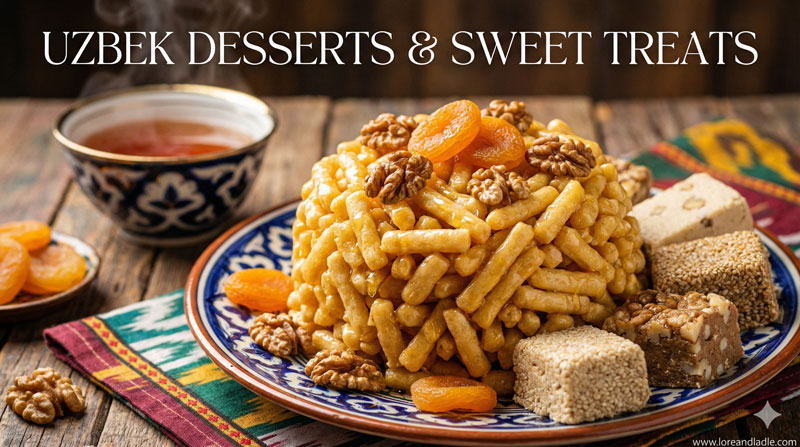
A full Uzbek meal often includes a thoughtful sequence of flavors, where dessert and tea offer a gentle finale. After the satisfying richness of plov, many tables feature delicate sweets such as baklava, halva, or chak-chak, paired with fragrant tea. These desserts carry their own cultural stories—pastry textures, honeyed sweetness, and nutty notes that echo regional pastry traditions. The pairing of a hearty main with bright, comforting sweets creates a balanced dining experience. In this way, A Taste of Plov sits within a broader tapestry of Uzbek cuisine, where savory and sweet complement each other in harmony.
The Cultural Value and Culinary Significance
Plov stands as a cornerstone of Uzbek food culture for several reasons. First, it embodies hospitality—the willingness to prepare enough for everyone and to share without hesitation. Second, it showcases balance and restraint in flavor. The dish invites appreciation of simple ingredients communicated through careful technique. Third, it embodies continuity. Families pass down methods, ratios, and timings from one generation to the next, keeping a living tradition alive. Finally, plov illustrates community. Large pots, shared portions, and the collective enjoyment of every bite reinforce social bonds. A Taste of Plov is thus a celebration of how food can express care, respect, and belonging.
The dish also highlights the beauty of culinary craft. The careful layering, the attentive simmer, and the moment when the grains loosen and separate cleanly—all are small, meaningful acts of cooking that resonate with pride in skill and tradition. In this light, plov is not only a dish to eat; it is a story told in texture, aroma, and shared experience. Its cultural value lies in how it brings people together and how it honors the hands that prepare it.
A Gentle Invitation to Explore
If you are curious about Uzbek cuisine, start with the sensory depth of plov. Notice the fragrance that fills a room, the way rice grains glide softly on the fork, and the warmth of the communal moment around the table. Consider how each household adds its own touch, making a universal dish feel personal and meaningful. In this way, A Taste of Plov becomes an invitation to explore the beauty of food culture—an invitation to savor, learn, and share.
Conclusion: Plov as a Living Tradition
A Taste of Plov captures more than flavor. It captures hospitality, regionally flavored technique, and the joy of gathering. It invites us to appreciate how a single dish can embody memory, craft, and community. As you explore Uzbek cuisine, let plov guide you toward a deeper understanding of how food can shape culture, nourish relationships, and celebrate the everyday beauty of togetherness.